


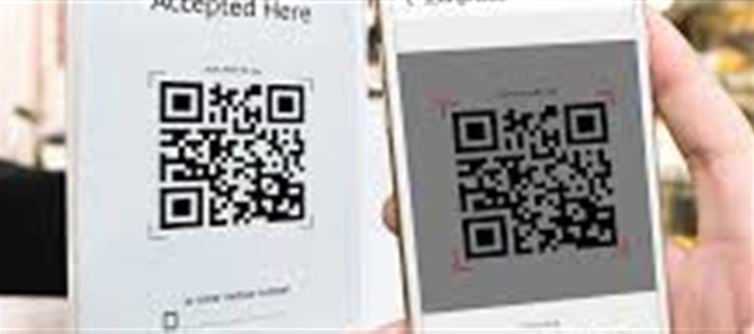

QR code scams are on the rise, and restaurants have become a new hotspot for fraudsters. Scammers are exploiting the popularity of QR codes used for viewing menus and making payments, tricking unsuspecting customers into giving access to their bank accounts.
How the Scam Works
Fake QR Codes
Fraudsters may replace legitimate restaurant QR codes with fake ones that redirect users to malicious websites.
Phishing Links
When customers scan these codes, they may be asked to enter banking credentials or UPI PINs, which are then stolen by scammers.
Unauthorized Payments
Some fake QR codes can initiate unauthorized payments directly from your linked bank account, leaving victims with empty accounts.
Tips to Stay Safe
Check QR Codes Carefully
Ensure the QR code is officially provided by the restaurant, often on a menu card or wallet PLATFORM' target='_blank' title='digital-Latest Updates, Photos, Videos are a click away, CLICK NOW'>digital display.
Use Trusted Apps Only
Make payments using official banking apps or UPI apps. Avoid scanning QR codes that open unknown websites.
Verify the URL
When a QR code redirects to a website, check the URL carefully. Do not enter sensitive information on suspicious websites.
Keep Your PIN and OTP Private
Never share your UPI PIN or OTP with anyone, even if prompted by the QR code link.
Monitor bank Transactions
Regularly check your bank statements or app for unauthorized transactions and report them immediately.
Key Takeaway
While QR codes make dining and payments convenient, they can be exploited by scammers. Always verify codes, use trusted apps, and protect sensitive information to ensure your bank account remains secure.
Disclaimer:
The views and opinions expressed in this article are those of the author and do not necessarily reflect the official policy or position of any agency, organization, employer, or company. All information provided is for general informational purposes only. While every effort has been made to ensure accuracy, we make no representations or warranties of any kind, express or implied, about the completeness, reliability, or suitability of the information contained herein. Readers are advised to verify facts and seek professional advice where necessary. Any reliance placed on such information is strictly at the reader’s own risk.
 click and follow Indiaherald WhatsApp channel