


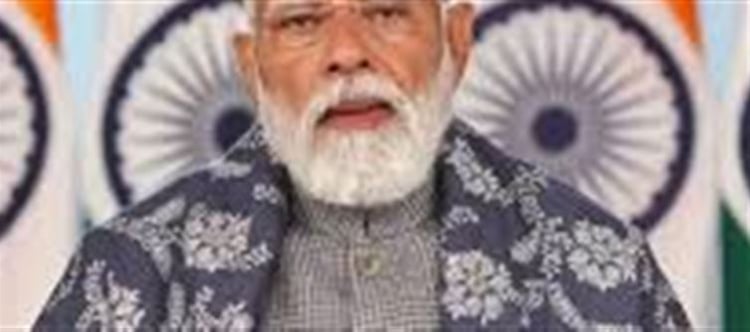
 PM Narendra Modi Interacts with Energy Sector CEOs at 9th PM Roundtable: Key Highlights and Insights
Prime minister Narendra Modi recently hosted the 9th PM Roundtable with CEOs of the Energy Sector, a significant platform for engaging with industry leaders and discussing India’s energy transition, sustainability, and long-term growth. The roundtable, held on January 2026, brings together leaders from key energy sectors to deliberate on challenges, opportunities, and the future roadmap of India’s energy landscape.
Let’s dive into the highlights and key takeaways from this engaging session.
1️⃣ PM Modi's Vision for India's Energy Future
Prime minister Modi emphasized India’s commitment to becoming a global leader in clean energy and driving the energy transition towards sustainable, green, and renewable energy sources. He reiterated the importance of energy security, the integration of renewable energy into the national grid, and India’s ambitious target to achieve net-zero emissions by 2070.
Key Points:
- Clean Energy Transition: Focus on increasing solar, wind, and other renewable energy capacities.
- Energy Security: Ensuring a robust, diversified, and sustainable energy supply.
- Technological Innovation: Emphasizing smart grids, energy storage systems, and electric mobility.
PM Modi encouraged CEOs to invest in innovative solutions that will not only meet India’s growing energy demands but also contribute to the global fight against climate change. (indianexpress.com)
2️⃣ Focus on Renewable Energy and Green Hydrogen
During the roundtable, renewable energy took center stage. india aims to achieve 500 GW of renewable energy capacity by 2030, including solar, wind, and hydro power. In particular, green hydrogen emerged as a key focus area.
Key Points:
- Green Hydrogen Strategy: PM Modi spoke about India’s potential to become a global hub for green hydrogen production. This will help reduce dependency on fossil fuels, especially for heavy industries like steel, cement, and chemicals.
- Public and Private Partnerships: CEOs were encouraged to form strategic collaborations with government bodies to build green hydrogen infrastructure and develop clean technologies.
- Renewable Energy Investments: There were calls for increasing private sector investments to scale up solar and wind energy projects across the country.
3️⃣ Electric vehicles and Battery Storage Solutions
The conversation also veered towards the future of electric mobility, a crucial part of India’s energy transition. Electric vehicles (EVs) are poised to play a significant role in reducing carbon emissions and dependency on imported fossil fuels.
Key Points:
- EV Infrastructure: There was emphasis on expanding EV charging infrastructure across urban and rural areas. CEOs were asked to collaborate with the government in setting up charging stations and improving EV battery technology.
- Battery Storage: Energy storage solutions, particularly advanced battery technologies, were identified as critical to ensuring the stability of renewable energy sources, given their intermittent nature. Investment in high-capacity storage systems was a focal point.
- Electric Mobility Ecosystem: PM Modi encouraged the CEOs to work on incentive models to encourage electric vehicle adoption and create an ecosystem for affordable and accessible EVs.
4️⃣ Energy Efficiency and Infrastructure Development
PM Modi highlighted India’s ambition to become more energy efficient in all sectors, including industrial, transportation, and residential. The National Mission for Enhanced Energy Efficiency (NMEEE) aims to reduce energy consumption while maintaining economic growth.
Key Points:
- Energy Efficiency: CEOs were urged to adopt green building standards, energy-efficient technologies, and smart city initiatives. Innovations in smart grids and energy-efficient appliances are expected to contribute significantly to energy conservation.
- Energy Access for All: Ensuring universal energy access in remote areas remains a priority, with a focus on improving rural electrification and affordable energy solutions.
- Infrastructure Development: Investment in energy infrastructure, such as smart grids and storage systems, was emphasized to support the growth of renewables.
5️⃣ Collaboration with Global and local Stakeholders
The roundtable also saw discussions on the importance of collaboration between industry players, the government, and international partners to achieve India’s energy goals. PM Modi emphasized India’s commitment to work with global energy players to build a more resilient and sustainable energy ecosystem.
Key Points:
- Global Partnerships: india is looking to strengthen its ties with global energy giants and international bodies to accelerate its energy transition and ensure a sustainable energy future.
- Local Stakeholder Involvement: CEOs were encouraged to involve local communities in energy projects, especially in rural areas, to ensure inclusive growth and job creation.
6️⃣ Key Takeaways for industry Leaders
- Investment in Clean Energy: CEOs were urged to invest in renewable energy projects, energy storage solutions, and smart grid technologies.
- Policy Advocacy: There was a strong call for policy support from both the central and state governments to enable smooth energy transition and ease of doing business in the renewable sector.
- Sustainability Reporting: The roundtable discussed how companies can contribute to sustainable development goals (SDGs) through clear sustainability reporting and corporate social responsibility initiatives.
Conclusion: A Roadmap for India’s Energy Transition
PM Modi’s 9th Roundtable with Energy Sector CEOs reinforced India’s strong commitment to transitioning towards a clean, green, and sustainable energy future. The discussions, which focused on renewables, electric mobility, energy storage, and global partnerships, have laid the groundwork for achieving India’s 2030 renewable energy targets and net-zero emission goals.
As we move into 2026, the energy sector in india is poised for rapid transformation, with a clear focus on innovation, sustainability, and inclusivity.
Takeaway: The collaborative spirit between government and industry leaders will play a crucial role in
Disclaimer:
The views and opinions expressed in this article are those of the author and do not necessarily reflect the official policy or position of any agency, organization, employer, or company. All information provided is for general informational purposes only. While every effort has been made to ensure accuracy, we make no representations or warranties of any kind, express or implied, about the completeness, reliability, or suitability of the information contained herein. Readers are advised to verify facts and seek professional advice where necessary. Any reliance placed on such information is strictly at the reader’s own risk.
 click and follow Indiaherald WhatsApp channel