


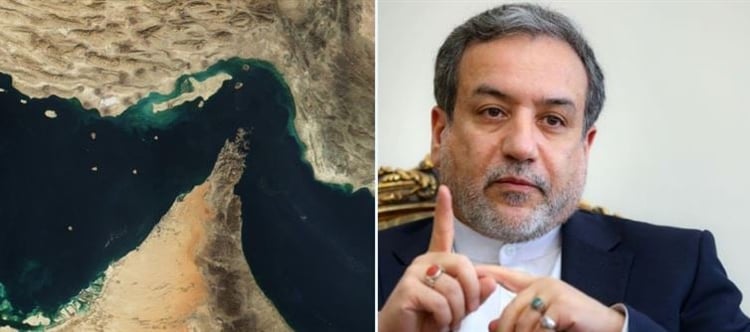

The argument sounds simple, almost persuasive at first: why does the world pay hundreds of thousands—sometimes over a million dollars—to pass through canals like Suez or panama, but not a cent through the Strait of Hormuz? And if iran hasn’t charged for decades, why is it still painted as the villain?
But the reality is far less convenient—and far more technical.
Here’s the crucial distinction people skip: not all waterways are created equal. The Suez and panama Canals are engineered, man-made corridors. They exist because nations built, maintain, and control them. Charging transit fees isn’t controversial—it’s the business model. You’re paying for infrastructure, dredging, staffing, and guaranteed passage through something that wouldn’t exist otherwise.
Now compare that to the Strait of Hormuz. It’s not a canal. It’s a natural chokepoint—shared geography between iran and Oman. That single fact changes everything. Under international maritime law, particularly the principles of transit passage, no single country owns it outright. Which means no country can decide to charge tolls for ships passing through.
That’s why iran “not charging” isn’t exactly a gesture of generosity—it’s a legal reality. There’s no clear authority to impose fees in the first place. Any attempt to reframe those charges as “security fees” immediately runs into global pushback, because it blurs the line between protection and control.
And that’s where the narrative splits. One side frames it as fairness—others charge, so why shouldn’t Iran? The other side sees it as a dangerous precedent: if natural international waterways become toll gates, global trade turns into a geopolitical bargaining chip overnight.
This isn’t just about money. It’s about control, law, and leverage. And once you strip away the rhetoric, the real question isn’t who charges—and who doesn’t.
It’s who gets to decide in the first place.
 click and follow Indiaherald WhatsApp channel