


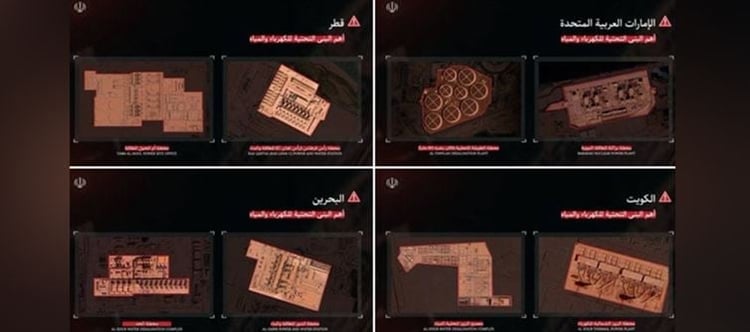

This is no longer just a war of words—it’s a confrontation turning sharply toward consequences people can actually feel.
After President donald trump issued a 48-hour ultimatum threatening to strike Iran’s power infrastructure, Tehran didn’t respond with vague warnings. It answered with something far more calculated: a clear signal that retaliation would hit where it hurts most—not armies, but everyday life.
Across the gulf, the message is unmistakable. If escalation continues, critical infrastructure—especially energy and water—could become the battlefield. And that changes everything.
Think about what that means in real terms. Desalination plants that supply drinking water to millions. Power stations that keep entire cities alive. These aren’t strategic luxuries; they are survival systems. Disrupt them, and the impact isn’t delayed—it’s immediate. The lights go out. Water stops flowing. Hospitals strain. Entire populations feel it within hours.
This is the shift that has analysts on edge. Traditionally, conflicts centered on military targets. Now, the focus appears to be expanding toward infrastructure that sustains civilian life. And once that line starts to blur, escalation becomes harder to contain.
The broader stakes are massive. The gulf isn’t just a regional concern—it’s tied directly to global energy, trade, and economic stability. Any disruption, whether through direct strikes or cascading failures, could ripple far beyond the region, shaking markets and supply chains worldwide.
At the center of it all is a ticking clock. Deadlines, ultimatums, and counter-threats are stacking rapidly, leaving little room for de-escalation.
Because this isn’t just about Trump. It isn’t just about Iran.
It’s about what happens when modern conflict shifts from targeting power to targeting survival—and how quickly that can spiral beyond control.
 click and follow Indiaherald WhatsApp channel