



Introduction
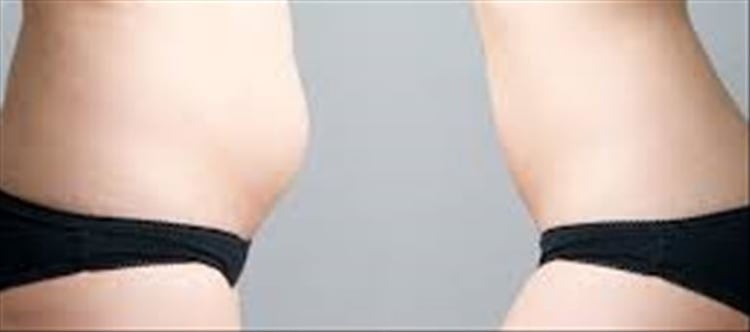
After childbirth, many women notice that their belly does not return to its pre-pregnancy shape, even months later. This is often mistaken for stubborn fat or lack of exercise. However, in many cases, the real cause is a condition called diastasis recti, where the abdominal muscles remain separated after pregnancy.
Understanding this condition is important because the solution is different from regular weight loss methods.
What Is Diastasis Recti?
Diastasis Recti occurs when the rectus abdominis muscles (the “six-pack” muscles) stretch and separate along the midline of the abdomen.
During pregnancy, the growing uterus pushes these muscles apart. In many women, they naturally come back together after delivery—but not always.
Why It Happens After Pregnancy
Several factors increase the risk of diastasis recti:
Multiple pregnancies
Carrying large babies or twins
Weak core muscles before pregnancy
Poor posture during pregnancy
Excess abdominal pressure (coughing, straining, heavy lifting)
Lack of postpartum core rehabilitation
Common Signs and Symptoms
Many women confuse diastasis recti with belly fat, but the signs are different:
1. Persistent “Pooched” Belly
The abdomen may look bulged even after weight loss.
2. Midline Bulge
A ridge or dome may appear when sitting up or straining.
3. Weak Core Strength
Difficulty with:
Lifting objects
Getting up from bed
Maintaining posture
4. Lower Back Pain
Weak abdominal support can strain the lower back.
5. Pelvic Floor Issues
Some women may also experience:
Urine leakage
Pelvic instability
How It Is Different From Belly Fat
Diastasis Recti
Belly Fat
Muscle separation
Fat accumulation
Soft or domed midline
Even fat distribution
Worse when straining
No change with movement
Core weakness
No muscle gap
How It Is Diagnosed
A doctor or physiotherapist may check by:
Asking you to lie down and lift your head
Feeling for a gap in the abdominal muscles
Measuring separation width (finger-width method or ultrasound in some cases)
A gap larger than about 2 finger widths may indicate diastasis recti.
Can It Heal Naturally?
Yes, many mild cases improve over time, especially with proper care. However, without targeted rehabilitation, the condition may persist for months or even years.
Safe and Effective Recovery Methods
1. Core Rehabilitation Exercises
Gentle exercises help bring abdominal muscles back together, such as:
Pelvic tilts
Heel slides
Deep abdominal breathing
Modified planks (guided)
Avoid traditional crunches initially, as they may worsen separation.
2. Posture Correction
Good posture helps reduce abdominal strain:
Keep shoulders relaxed
Avoid excessive arching of the back
Engage core gently during daily movements
3. Pelvic Floor Exercises
Strengthening the pelvic floor supports the core and improves stability.
4. Physiotherapy Guidance
A trained postpartum physiotherapist can design a safe recovery plan tailored to the severity of separation.
5. Avoid Strain
During recovery, avoid:
Heavy lifting
Intense abdominal workouts
Sudden twisting movements
When Surgery Is Needed
In rare and severe cases, if muscle separation does not improve and causes functional problems, surgical repair (abdominoplasty) may be considered. This is usually not the first option.
Emotional Impact
Many new mothers feel frustrated or self-conscious about their postpartum body changes. It is important to understand that diastasis recti is a medical and structural condition, not a fitness failure or fat issue.
Prevention in Future Pregnancies
Maintain gentle core strength before and during pregnancy
Avoid excessive abdominal strain
Follow prenatal exercise guidance
Practice safe lifting techniques
Conclusion
A persistent postpartum belly is not always fat. In many cases, it may be due to diastasis recti, a separation of abdominal muscles after pregnancy. The condition is common, treatable, and often improves with proper rehabilitation.
With guided core exercises, posture correction, and medical support when needed, most women can regain core strength and abdominal function over time.
Disclaimer:
The views and opinions expressed in this article are those of the author and do not necessarily reflect the official policy or position of any agency, organization, employer, or company. All information provided is for general informational purposes only. While every effort has been made to ensure accuracy, we make no representations or warranties of any kind, express or implied, about the completeness, reliability, or suitability of the information contained herein. Readers are advised to verify facts and seek professional advice where necessary. Any reliance placed on such information is strictly at the reader’s own risk.
 click and follow Indiaherald WhatsApp channel