


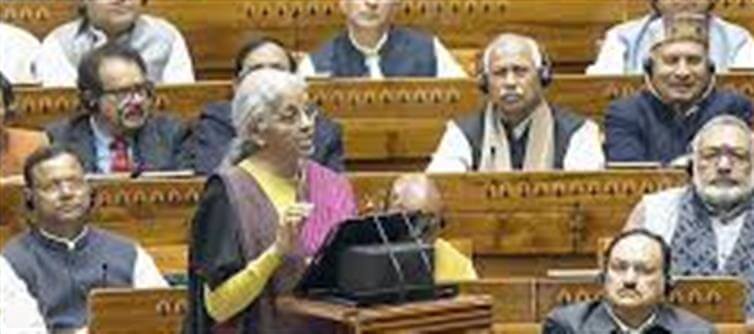

1. Relief at the Checkout Counter
The 2026 budget brings welcome news for households, with reduced duties and incentives aimed at keeping prices stable on essential goods. Everyday items—especially those linked to basic consumption—are expected to see softer price pressure, offering some breathing room to family budgets.
2. Fueling Hope: Energy Costs in Focus
While global factors still influence fuel prices, the budget takes steps to cushion the impact through targeted tax adjustments and green-energy incentives. The long-term goal? Lower dependency on expensive imports and more stable prices down the road.
3. Healthcare Gets a Cost Cut
From medical equipment to life-saving drugs, healthcare sees policy support aimed at affordability. Expanded exemptions and higher allocations for public health could translate into lower out-of-pocket expenses for patients and families.
4. education Expenses: Smarter, Not Heavier
Rather than increasing costs, the budget leans into investment—digital tools, skilling programs, and affordable learning resources. students and parents may benefit indirectly as public spending reduces reliance on expensive private alternatives.
5. Luxury Pays the Price
High-end goods, premium services, and non-essential imports face higher taxes. The message is clear: discretionary spending comes at a premium, while essential consumption is protected.
6. Imported Goods: Pay More, Buy Local
Customs duties on select imports have been raised to promote domestic manufacturing. While this could increase prices for some foreign products, it also encourages “Make in India” alternatives that may be cheaper in the long run.
7. Housing & home Loans: Mixed Signals
Affordable housing continues to receive support, but premium real estate and speculative investments may face tighter tax treatment. For first-time buyers, incentives remain—but luxury homeowners may feel the pinch.
8. Taxes & You: No Shock, Just Tweaks
Instead of sweeping tax overhauls, the budget focuses on fine-tuning—closing loopholes, improving compliance, and simplifying processes. For most salaried taxpayers, the impact is steady rather than surprising.
9. Small Businesses Get Some Breathing Space
MSMEs benefit from easier credit access, compliance relief, and wallet PLATFORM' target='_blank' title='digital-Latest Updates, Photos, Videos are a click away, CLICK NOW'>digital support. Lower operational friction could help keep prices competitive for consumers while boosting local employment.
10. The Bigger Picture: Spend Smart, Save Smart
At its core, Union Budget 2026 tries to balance inflation control with growth. By making essentials cheaper, discouraging excess consumption, and investing in productivity, it aims to shape a more resilient economy—and a more predictable cost of living.
Disclaimer:
The views and opinions expressed in this article are those of the author and do not necessarily reflect the official policy or position of any agency, organization, employer, or company. All information provided is for general informational purposes only. While every effort has been made to ensure accuracy, we make no representations or warranties of any kind, express or implied, about the completeness, reliability, or suitability of the information contained herein. Readers are advised to verify facts and seek professional advice where necessary. Any reliance placed on such information is strictly at the reader’s own risk.
 click and follow Indiaherald WhatsApp channel