


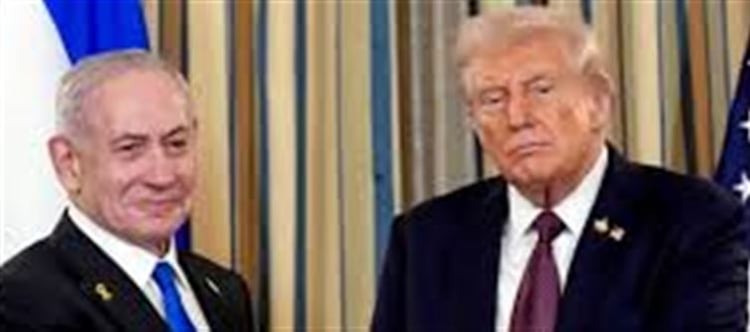

🇺🇸 Donald Trump — U.S. President
- Highest formal degree: Bachelor of Science (B.S.) in Economics from the Wharton school, university of Pennsylvania (1968).
- Education path:
- Attended New York Military Academy for high school.
- Started college at Fordham University, then transferred to Wharton.
- No graduate degree (e.g., master’s or doctorate).
- His degree is from a top business school, but he did not pursue further academic qualifications beyond undergraduate studies.
🇮🇱 Isaac Herzog — Israeli President
- Education:
- Attended Ramaz School in New York during his youth.
- Studied at Cornell university and New York University early in life.
- Law degree (LL.B) from Tel Aviv University.
- His educational path includes both undergraduate studies in the U.S. and a professional law degree, which is an academic and professional qualification preparing him for a legal career.
📊 Who Is More Educated?
When comparing the two leaders on the basis of formal education:
✅ Israeli President Isaac Herzog has more formal education than U.S. President Donald Trump because:
- Herzog completed multiple phases of education in different countries (U.S. and Israel).
- He holds a law degree, which is a professional graduate qualification.
- Trump has an undergraduate degree only and did not complete a law or graduate degree.
In formal academic terms, Herzog’s law degree adds additional higher‑education credentialing beyond Trump’s bachelor’s degree. This makes Herzog more highly educated academically than trump in terms of levels of completed formal education.
🧠 Notes on Different Types of Education
- Academic degrees measure formal education (e.g., undergraduate, professional, graduate). In this sense, legal and advanced university degrees count as higher academic attainment than just a bachelor’s degree.
- Leadership experience or effectiveness is a different matter — education is only one aspect of how leaders are perceived or perform.
Disclaimer:
The views and opinions expressed in this article are those of the author and do not necessarily reflect the official policy or position of any agency, organization, employer, or company. All information provided is for general informational purposes only. While every effort has been made to ensure accuracy, we make no representations or warranties of any kind, express or implied, about the completeness, reliability, or suitability of the information contained herein. Readers are advised to verify facts and seek professional advice where necessary. Any reliance placed on such information is strictly at the reader’s own risk.
 click and follow Indiaherald WhatsApp channel