



‘Ponies’ Review: A Smart, Stylish Spy thriller That Finds Its Power in Silence—and Sticks the Landing Perfectly
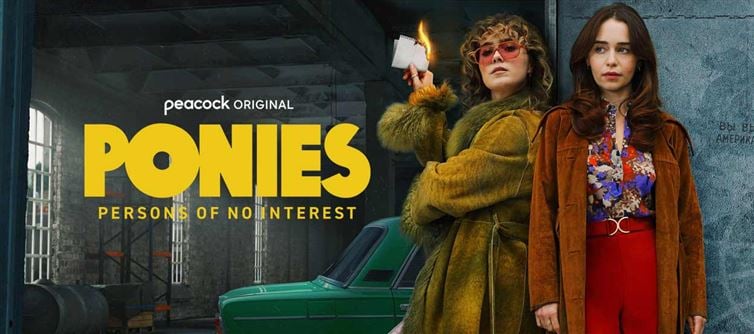
Spy thrillers are everywhere right now, but very few feel this assured. While recent and upcoming entries in the genre lean heavily into labyrinthine plots and glossy spectacle, Ponies, Peacock’s eight-episode Cold war drama, does something far more confident. It strips espionage down to its most human core. Created by Susanna Fogel and David Iserson, and anchored by riveting performances from Emilia Clarke and Haley Lu Richardson, Ponies is tense, intimate, and emotionally sharp—culminating in one of the most quietly devastating final shots in recent television.
Streaming on Peacock, the series proves that paranoia doesn’t need explosions to feel lethal. Sometimes, all it takes is two women realizing the system never saw them coming.
Story & Premise: When No One Is Watching, That’s When You’re Most Dangerous
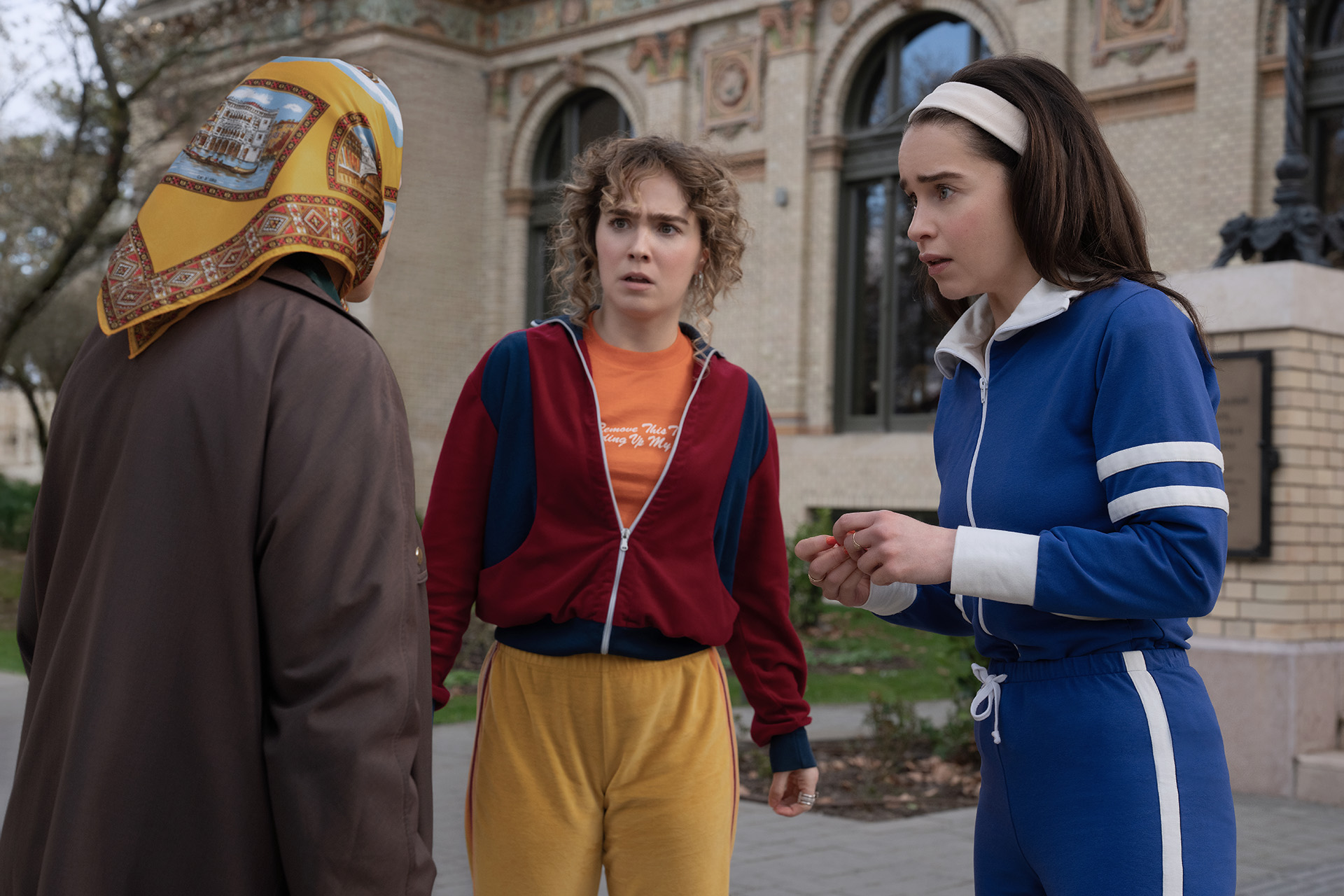
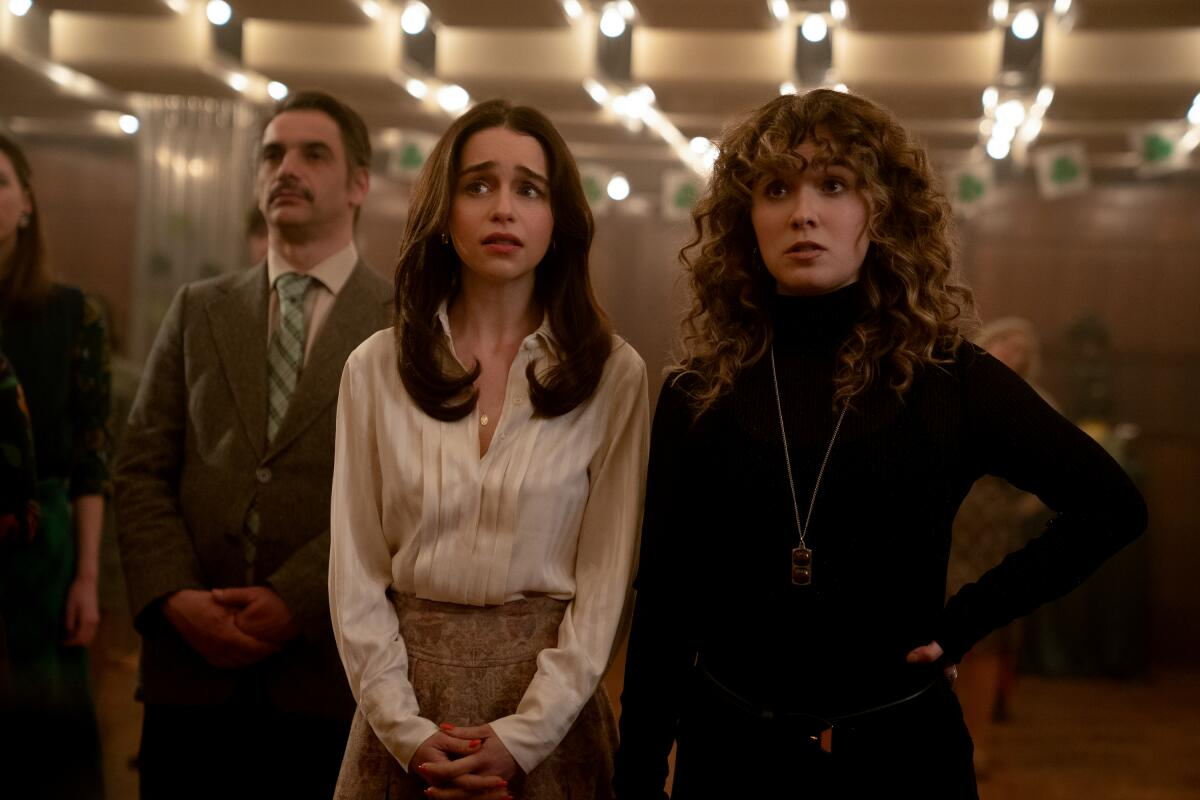
Set in 1977 moscow, Ponies follows Beatrice “Bea” Russell and Twila Harding, two American embassy wives living inside a meticulously controlled world where observation is constant, and trust is nonexistent. Officially classified as “persons of no interest,” they exist on the margins—hosting, filing, listening, and surviving quietly within the rigid machinery of Cold war diplomacy.
That fragile routine collapses when their husbands die under suspicious circumstances early in the series. Almost instantly, grief is weaponized. The CIA sees opportunity, nudging Bea and Twila closer to embassy intelligence work precisely because they appear invisible. Under the watchful eye of station handlers Dane and Ray, the women are pulled into a covert operation aimed at exploiting vulnerabilities within the KGB, all while being fed only the information the system deems necessary.
What makes Ponies so compelling is how personal the espionage feels. This isn’t a story about super-spies or grand ideology; it’s about two women navigating loss, manipulation, and awakening agency during the height of second-wave feminism. Their parallel journeys—one shaped by privilege and restraint, the other by blunt survival instincts—form the emotional backbone of the series.
Performances: emilia clarke and Haley Lu Richardson Are the Series’s Beating Heart
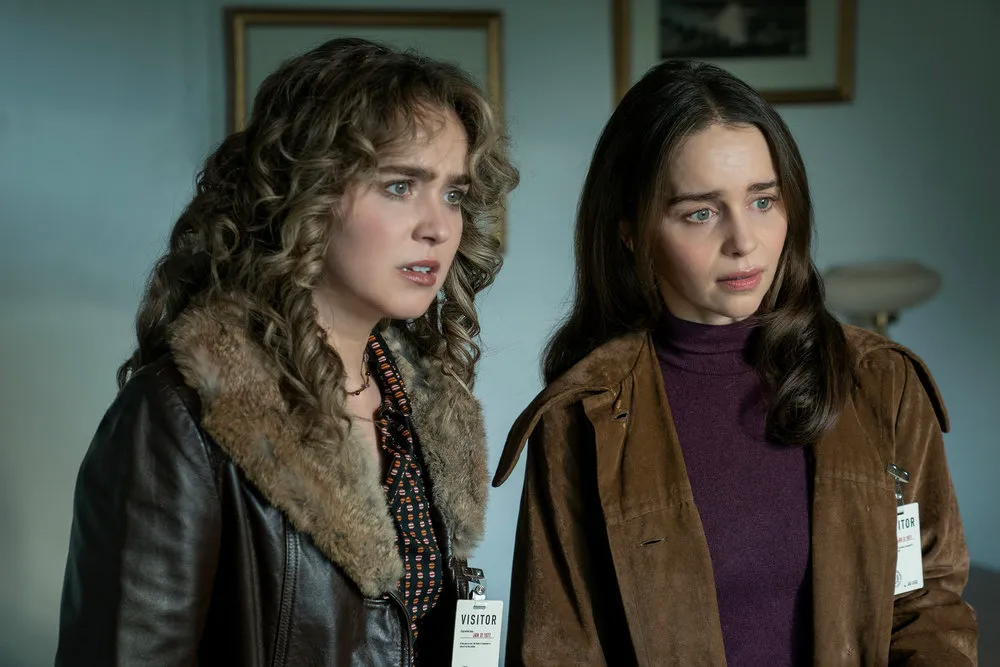
emilia clarke delivers one of the most controlled and quietly powerful performances of her career. Bea is constantly managing herself—her posture, her tone, her emotions—because she has been taught that safety lies in composure. Clarke makes fear physical. You see it in her breathing, her pauses, the way her body stiffens before danger ever speaks. Bea’s evolution feels earned, never rushed, and Clarke ensures that every step forward carries a cost.
Haley Lu Richardson is a thrilling counterbalance. Twila enters the series with a confidence that borders on recklessness, occupying space with zero apology. Richardson brings a sharp, almost disarming energy to the role, blending warmth with volatility. There’s humor in her performance, but it’s edged with deep, unspoken grief. Together, Clarke and Richardson share a chemistry built not on quips, but on shared silence and mutual dependence, making their friendship feel lived-in from the very first episode.
The supporting cast strengthens the foundation. Adrian Lester stands out as Dane, the head of the CIA moscow station, bringing wit and weary authority without slipping into cliché. Nicholas Podany’s Ray adds nervous sincerity, embodying the unease of a man who knows just how little control he actually has. Vic Michaelis steals scenes as Cheryl, the embassy’s polished queen bee whose smiles feel more threatening than outright hostility. Artjom Gilz’s KGB officer Andrei Vasiliev radiates menace through restraint, while Petro Ninovskyi’s Sasha offers unexpected emotional weight, grounding the geopolitical stakes in personal loss.
Technicalities: Period Precision Without Flashy Distractions
Visually, Ponies is a masterclass in controlled atmosphere. The production design leans into brutalist Soviet architecture and claustrophobic interiors, reinforcing the sense of constant surveillance. Costume design subtly charts character psychology, particularly Bea’s transformation, while never calling attention to itself.
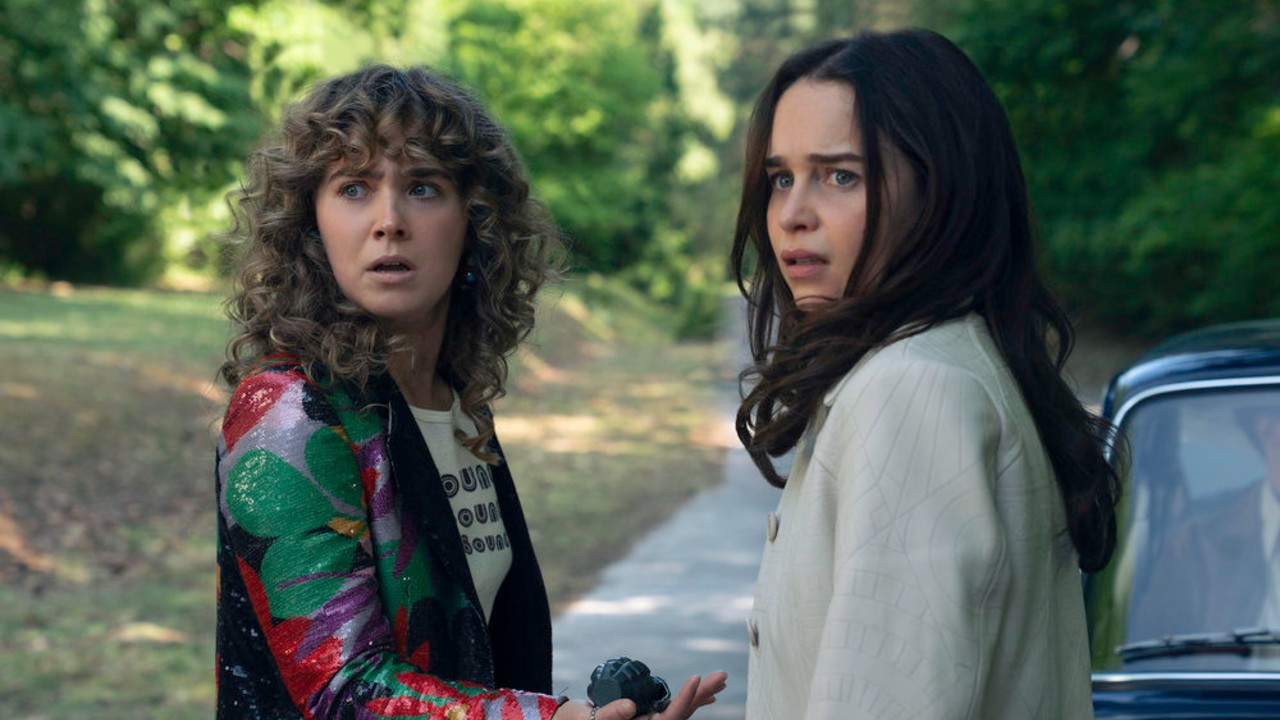
Direction favors tension over spectacle. Surveillance scenes linger just long enough to make you uncomfortable, and when action does arrive—most notably a tightly executed car chase—it feels earned rather than obligatory. The editing maintains a polished, intentional pace, even as multiple storylines intersect.
The music selection is inspired. Needle drops from David Bowie, Fleetwood Mac, and heart inject irony and emotional contrast, momentarily lifting the tension without breaking immersion. It’s a rare example of music enhancing tone rather than dictating it.
Analysis: Espionage as Emotional Labor
What truly separates Ponies from its genre peers is its philosophy. Espionage here isn’t about gadgets or grandstanding; it’s about listening, enduring, and being underestimated. The writing understands that power often lies in what is withheld rather than what is revealed. Twists arrive organically, recontextualizing earlier moments without feeling manipulative or showy.
The series also weaves its feminist undercurrent with impressive subtlety. Bea and Twila’s empowerment doesn’t come from speeches or slogans but from the realization that silence—once enforced—can be repurposed as a strategy. Even when the plot accelerates toward its cliffhanger ending, the story remains grounded in consequences, especially within the women’s relationship.
And then there’s that final shot. Elegant, devastating, and loaded with meaning, it reframes the entire journey in a single image. It’s the kind of ending that lingers long after the screen cuts to black.
What Works
• Electric chemistry between emilia clarke and Haley Lu Richardson
• Character-first storytelling that keeps spycraft intimate
• Outstanding restraint in performances and direction
• A final shot that elevates the entire series
What Doesn’t
• One slower mid-season episode slightly disrupts momentum
• A few subplots feel intentionally opaque to a fault
Bottom Line
Ponies is a rare spy thriller that trusts its audience and its characters. With sharp writing, impeccable performances, and an ending that lands with haunting precision, it transforms Cold war espionage into an intimate study of power, grief, and survival. Stylish without being flashy and gripping without being loud, this is prestige television that knows exactly when to stay quiet.
Rating: ⭐⭐⭐⭐½ (4.5/5)
India Herald Percentage Meter: 88%
 click and follow Indiaherald WhatsApp channel