


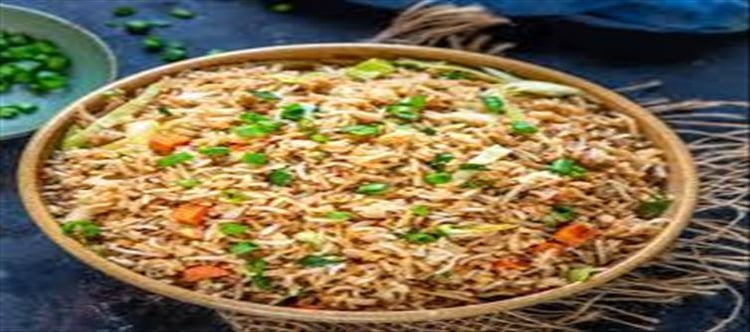

Fried rice, a widely enjoyed dish in many cuisines, carries notable drawbacks, particularly in terms of health and nutrition. One significant downside lies in its elevated calorie and fat content. Typically, fried rice involves cooking rice with oil or butter, often incorporating fatty ingredients like bacon, sausage, or fatty meat cuts.
.jpeg)
This preparation approach results in a calorie-dense meal that can contribute to weight gain, making it problematic for individuals seeking to maintain a healthy weight or dealing with obesity. Another issue with fried rice is its commonly high sodium levels. This arises primarily from the inclusion of soy sauce and other salty condiments. Excessive sodium intake can lead to hypertension, heart ailments, and various health concerns.
Commercially prepared or restaurant-served fried rice dishes can exacerbate this concern, as they may contain hidden sources of sodium. Moreover, fried rice often lacks a well-balanced nutritional profile. Despite the inclusion of vegetables and protein sources like chicken, shrimp, or tofu, the overall nutritional content may not meet dietary requirements.
The frying process can cause vegetables to lose some of their nutrients, and the presence of protein and vegetables may not fully offset the high levels of refined carbohydrates present in the rice. Additionally, improper handling and cooking of fried rice can pose food safety risks, potentially leading to foodborne illnesses. The use of leftover rice, if not stored and reheated correctly, can create an environment conducive to harmful bacterial growth.
 click and follow Indiaherald WhatsApp channel