


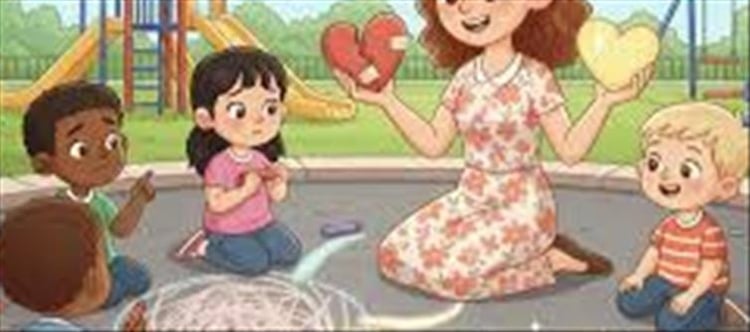

Forgiveness is not just a moral value—it is an emotional skill that helps children build healthier relationships, manage conflicts, and grow with empathy. Teaching it early shapes how they handle anger, disappointment, and social situations throughout life.
🧠 1. Start by Teaching What Forgiveness Really Means
Children often think forgiveness means:
Forgetting what happened
Allowing bad behavior to continue
In reality, forgiveness means:
“Understanding what happened, letting go of anger, and choosing to move forward without revenge.”
Explain it in simple terms and relatable situations.
💬 2. Be a Role Model of Forgiveness
Children learn more from what they observe than what they are told.
You can show forgiveness by:
Calmly resolving conflicts with others
Apologizing when you make mistakes
Letting go of small irritations
When children see this behavior, they naturally imitate it.
❤️ 3. Validate Their Feelings First
Before teaching forgiveness, acknowledge their emotions:
“I understand you’re upset.”
“It’s okay to feel hurt.”
Children cannot learn forgiveness if they feel their emotions are ignored or dismissed.
⏳ 4. Teach That Forgiveness Takes Time
Forgiveness is not instant.
Help children understand:
It’s okay to feel angry at first
Emotions settle over time
Decisions to forgive can come later
This prevents forced or fake forgiveness.
🤝 5. Encourage Empathy and Perspective-Taking
Help children think beyond themselves:
“Why do you think the other person did that?”
“Maybe they didn’t mean to hurt you.”
Empathy reduces resentment and opens the door to forgiveness.
🗣️ 6. Teach Healthy Communication After Conflict
Encourage children to:
Express feelings calmly
Use “I feel…” statements
Ask questions instead of reacting aggressively
Example:
“I felt sad when you didn’t share your toy.”
🚫 7. Avoid Forcing Quick Apologies
Saying “Say sorry now” without understanding:
Can create resentment
Leads to meaningless apologies
Doesn’t teach real forgiveness
Instead, guide them to understand the impact of their actions.
🌱 8. Reinforce That Forgiveness Is Strength, Not Weakness
Children should learn:
Forgiving does not mean being weak
It means being emotionally strong
It helps them feel lighter and happier
This builds emotional resilience.
🎯 9. Use Stories and Real-Life Examples
Children understand better through storytelling:
Fables about forgiveness
Real-life family situations
School-based examples
Stories make abstract values easier to grasp.
🧠 Conclusion
Teaching children forgiveness is about helping them develop empathy, emotional awareness, and self-control. When they learn to forgive, they are not just resolving conflicts—they are building lifelong emotional strength and healthier relationships.
Disclaimer:
The views and opinions expressed in this article are those of the author and do not necessarily reflect the official policy or position of any agency, organization, employer, or company. All information provided is for general informational purposes only. While every effort has been made to ensure accuracy, we make no representations or warranties of any kind, express or implied, about the completeness, reliability, or suitability of the information contained herein. Readers are advised to verify facts and seek professional advice where necessary. Any reliance placed on such information is strictly at the reader’s own risk.
 click and follow Indiaherald WhatsApp channel