


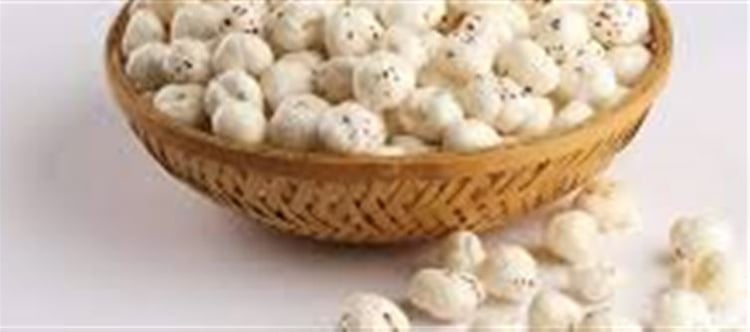

Makhana, also known as fox nuts or lotus seeds, is a traditional indian snack that has gained global attention as a superfood. Lightweight, crunchy, and mildly nutty in flavor, makhana is not only delicious but also packed with nutrients essential for children’s growth and overall health. Often overlooked in modern diets, this humble seed deserves a place in your child’s snack rotation.
What is Makhana?
Makhana is derived from the seeds of the Euryale Fox plant, primarily grown in wetlands in India. After harvesting, the seeds are roasted to create a light, crispy snack that can be eaten plain or flavored with herbs and spices.
It is naturally gluten-free, low in calories, and easy to digest, making it an ideal snack for children of all ages.
Nutritional Profile of Makhana
Makhana is rich in:
Protein: Supports growth, muscle development, and immunity.
Calcium: Strengthens bones and teeth.
Iron: aids in healthy blood production and prevents anemia.
Magnesium and Potassium: Supports nerve function, heart health, and energy metabolism.
Antioxidants: Helps fight free radicals and boosts immunity.
Low Glycemic Index: Maintains stable energy levels without spiking blood sugar.
Benefits of Makhana for Children
Promotes Strong Bones and Teeth
The high calcium content in makhana is essential for children’s growing bones and dental health, helping to prevent deficiencies during critical growth stages.
Boosts Immunity
Rich in antioxidants and minerals, makhana strengthens the immune system, helping children fight common infections and illnesses.
Supports Healthy Digestion
Makhana is high in fiber, which improves digestion, prevents constipation, and maintains gut health in children.
Provides Energy Without sugar Spikes
Unlike processed snacks, makhana provides sustained energy, keeping children active and alert throughout the day without sudden sugar crashes.
Good for Weight Management
Low in calories and fat, makhana is a nutritious snack that prevents overeating of unhealthy foods while promoting satiety.
Enhances Brain Function
Makhana contains phosphorus and magnesium, which are beneficial for cognitive development and memory in growing children.
How to Include Makhana in a Child’s Diet
Makhana is versatile and can be prepared in various ways to make it appealing for children:
Roasted Makhana:
Roast with a little ghee and sprinkle a pinch of salt or mild spices like cinnamon for a crunchy snack.
Sweet Makhana Treats:
Coat roasted makhana with jaggery or honey for a natural sweet snack that kids love.
Makhana Kheer:
Cook makhana in milk with cardamom and a small amount of sugar for a delicious dessert packed with nutrients.
Makhana Trail Mix:
Mix roasted makhana with nuts, seeds, and dried fruits for a nutrient-dense snack box for school or outings.
Savory Options:
Add lightly spiced makhana to soups, salads, or breakfast cereals for an extra crunch and nutrition.
Tips for Preparing Makhana for Children
Use minimal oil or ghee for roasting to keep it healthy.
Avoid excessive salt or sugar to maintain its natural benefits.
Store in an airtight container to maintain freshness and crispiness.
Introduce makhana gradually to children’s diet to monitor tolerance and preference.
Conclusion
Makhana is a nutritional powerhouse that combines taste, crunch, and health benefits in one small seed. For growing children, it provides essential nutrients like protein, calcium, and antioxidants, supporting growth, immunity, and cognitive development.
By incorporating makhana into snacks, breakfast dishes, or desserts, parents can provide a wholesome, tasty, and healthy alternative to processed junk food. It’s a superfood that not only delights young taste buds but also nurtures their body and mind, making it a must-have in every child’s diet.
Disclaimer:
The views and opinions expressed in this article are those of the author and do not necessarily reflect the official policy or position of any agency, organization, employer, or company. All information provided is for general informational purposes only. While every effort has been made to ensure accuracy, we make no representations or warranties of any kind, express or implied, about the completeness, reliability, or suitability of the information contained herein. Readers are advised to verify facts and seek professional advice where necessary. Any reliance placed on such information is strictly at the reader’s own risk.
 click and follow Indiaherald WhatsApp channel