


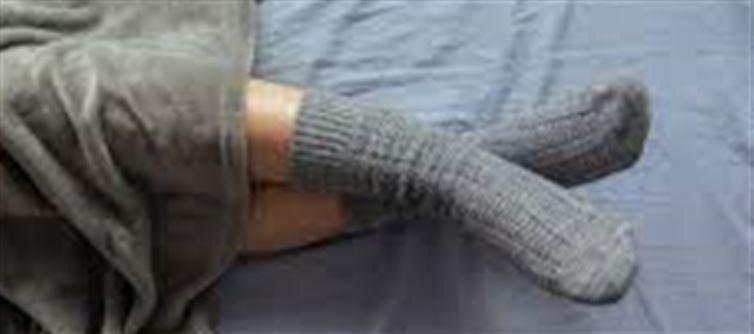

As temperatures drop, many people slide into bed with cozy blankets and warm socks — especially when their feet feel icy cold. But is it healthy to sleep with socks on, or could it affect your sleep and foot health? Let’s break it down.
⭐ Benefits of Sleeping With Socks On
🔥 1. Helps You Fall Asleep Faster
Warm feet signal to your brain that it’s time to sleep. Warming the feet through socks promotes vasodilation (widening of blood vessels), which helps lower core body temperature — a key step for initiating sleep.
💤 2. Can Improve Sleep Quality
Keeping feet warm may help you fall asleep more quickly and sleep more deeply, especially in cold rooms. Some research suggests that warm extremities can lead to longer and less fragmented sleep.
🩸 3. Better Circulation
Cold can cause blood vessels in feet to constrict, reducing circulation. Warm socks can prevent this tightening and help maintain healthy blood flow.
❄️ 4. Helps With Raynaud’s or Cold Sensitivity
People with Raynaud’s disease (intense cold‑induced blood flow restrictions) or anyone who wakes up with numb toes may benefit from foot warmth at night.
👣 5. Prevents Dry, Cracked Heels
Soft, breathable socks worn after moisturization can help lock in moisture and reduce heel dryness in winter.
⚠️ Potential Downsides & Risks
🌡️ 1. Overheating and Night Sweats
If your bedroom is too warm or if socks trap heat against your skin, it may raise body temperature too much, leading to discomfort or sweating at night.
🦶 2. Fungal or Bacterial Growth
Wearing tight, unwashed, or non‑breathable socks can trap moisture, creating an environment where fungi like athlete’s foot can thrive.
🚫 3. Impaired Circulation With Tight Socks
Socks that are tight (especially those with strong elastics or very snug fit) may restrict blood flow, potentially worsening circulation for some people.
🦠 4. Skin Irritation
Synthetic fabrics can irritate sensitive skin, particularly if worn repeatedly without washing. Natural, breathable materials are far better for nighttime use.
🩺 Who Should Be Cautious
· People with diabetes or neuropathy: Reduced sensation can make it hard to notice if feet are too hot or irritated.
· Those with fungal skin infections or already irritated skin: Warm, moist environments can worsen conditions.
· If your room is warm or you naturally sleep hot: Wearing socks may lead to overheating.
🧠 Tips for Safe and Comfortable Use
✔ Choose loose, breathable socks made of cotton, wool, or bamboo.
✔ Avoid tight elastics or compression socks at night unless a doctor advises otherwise.
✔ Keep socks clean and dry — change them daily to reduce bacterial growth.
✔ If feet get sweaty, consider lighter socks or skipping them and using warmer bedding instead.
🧠 Quick Summary
✅ Pros:
· Helps you fall asleep faster
· May improve overall sleep quality
· Keeps feet warm and comfortable
· Can aid circulation in cold climates
❌ Cons:
· Risk of overheating and night sweats
· Possible fungal or bacterial growth
· Tight socks may restrict circulation
Bottom Line: Sleeping with socks on in winter can be helpful for many people, particularly if you get cold feet and want warmer, more restful nights. But it’s not a must, and choosing the right kind of socks and ensuring good foot hygiene is key to avoiding problems.
Disclaimer:
The views and opinions expressed in this article are those of the author and do not necessarily reflect the official policy or position of any agency, organization, employer, or company. All information provided is for general informational purposes only. While every effort has been made to ensure accuracy, we make no representations or warranties of any kind, express or implied, about the completeness, reliability, or suitability of the information contained herein. Readers are advised to verify facts and seek professional advice where necessary. Any reliance placed on such information is strictly at the reader’s own risk..jpg)
 click and follow Indiaherald WhatsApp channel