


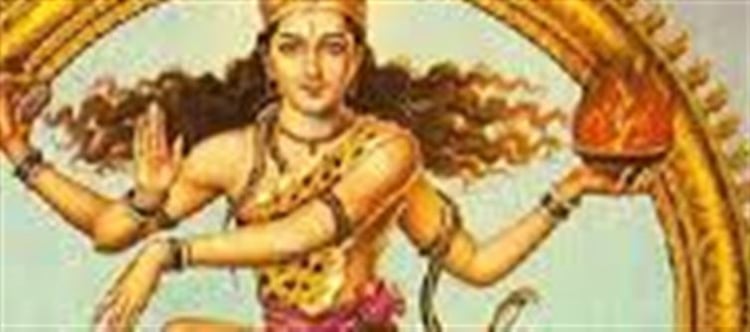

The story of who is buried beneath the feet of Lord Nataraja is a fascinating and deeply spiritual narrative linked to one of the most revered temples in India, the Sri chidambaram Nataraja Temple, located in tamil Nadu.
Who is Buried Beneath Lord Nataraja’s Feet?
The individual who is said to be buried beneath the feet of Lord Nataraja is Lord Shiva's devotee, the demon king Ravana. Ravana is a well-known figure in Hindu mythology, most famously depicted in the Ramayana as the antagonist who kidnaps Sita. However, his story is far more complex and spiritually rich.
The Story of Ravana's devotion to Lord Shiva
Before Ravana became the villain of the Ramayana, he was a devout follower of Lord Shiva. Ravana, a powerful king and a scholar, was an ardent worshipper of Lord shiva and sought to gain divine powers through his devotion. One of the most famous episodes in his story is his penance (tapasya) to shiva at Mount Kailash, where he sought the Shiva Lingam and a boon that would make him invincible.
To demonstrate his intense devotion, Ravana is said to have offered his ten heads to Lord shiva, symbolizing his deep commitment and self-sacrifice. Impressed by Ravana’s penance, Lord shiva granted him immense strength and invincibility. However, Ravana’s arrogance soon grew, and this divine blessing ultimately led to his downfall.
Ravana's Connection to Lord Nataraja (Shiva's Dance)
Ravana’s story takes an interesting turn in relation to Lord Nataraja, the dancing form of Lord Shiva. According to the legend, Ravana had an incredible musical ability and was a master of playing the veena, a stringed musical instrument. One day, Ravana attempted to play his veena in front of Lord shiva, but shiva was not pleased with Ravana’s arrogance and displayed a powerful dance (Tandava), which shook the very foundation of the universe.
Ravana, not to be outdone, challenged shiva to a dance-off and performed an intricate rhythm. However, shiva, in his Nataraja form, performed such a divine dance that Ravana was humbled and realized the greatness of Lord Shiva. In some versions of the story, Ravana is said to have been defeated by Shiva’s dance and realized the futility of his own pride. Ravana then offered to offer his life to shiva as a mark of repentance. shiva, pleased with his humility, granted him a boon.
Ravana’s Burial Beneath the Feet of Lord Nataraja
In one version of the legend, Ravana eventually met his end during the epic battle in the Ramayana against Lord Rama. However, before his death, Ravana is said to have been buried beneath the feet of Lord Nataraja in Chidambaram. The placement of Ravana’s body beneath the feet of Lord Nataraja signifies a humbling of his once-immense ego, and it is believed that this act of repentance allowed Ravana to attain moksha (liberation from the cycle of birth and death).
Significance of the Burial Under Nataraja's Feet
The burial of Ravana beneath Lord Nataraja’s feet in the Chidambaram temple holds symbolic importance. Lord Nataraja represents the cosmic dance of creation, preservation, and destruction, encapsulating the cycle of life. By being buried beneath the feet of Lord Nataraja, Ravana’s ego and pride were symbolically trampled by the divine force of Shiva. This action represents the concept of humility and surrender to the divine will, and it is believed that Ravana, despite his flaws, attained spiritual liberation.
The Chidambaram Nataraja Temple is one of the most sacred shrines dedicated to Lord shiva, and it represents a unique blend of spirituality and symbolism, where Ravana’s story is a testament to the transformative power of devotion, repentance, and humility.
Ravana's Story: A Complex Figure
While Ravana is often seen as the villain in the Ramayana, his story is far more nuanced. He is also depicted as a scholar, a devotee of Shiva, and a master of the arts. His devotion to shiva and his subsequent downfall due to his pride reflect the dual nature of his character. In many traditions, Ravana is viewed as a tragic figure whose flaws led to his eventual destruction, but his devotion and repentance grant him a place of honor and respect in certain spiritual contexts.
In fact, Ravana's humility at the feet of Lord Nataraja is a lesson that emphasizes the importance of recognizing the limits of human strength and the need for spiritual surrender. Despite his greatness and divine boons, Ravana ultimately realized that only through true devotion to the divine could one attain moksha.
Conclusion: A Lesson in Humility and Devotion
The story of Ravana’s burial beneath Lord Nataraja's feet serves as a reminder that even the most powerful and knowledgeable individuals must surrender their egos and pride before the divine. It teaches us about the importance of humility, repentance, and devotion in the path to spiritual liberation. Ravana's story, while marked by arrogance and eventual destruction, also highlights the possibility of redemption through self-awareness and divine grace.
If you ever visit the Chidambaram Nataraja Temple, this aspect of the temple's spiritual significance adds a profound layer of mysticism and depth to the temple's already rich history. It is a place where the divine dance of creation, preservation, and destruction continues to resonate in the hearts of devotees and visitors alike.
Disclaimer:
The views and opinions expressed in this article are those of the author and do not necessarily reflect the official policy or position of any agency, organization, employer, or company. All information provided is for general informational purposes only. While every effort has been made to ensure accuracy, we make no representations or warranties of any kind, express or implied, about the completeness, reliability, or suitability of the information contained herein. Readers are advised to verify facts and seek professional advice where necessary. Any reliance placed on such information is strictly at the reader’s own risk.
 click and follow Indiaherald WhatsApp channel