
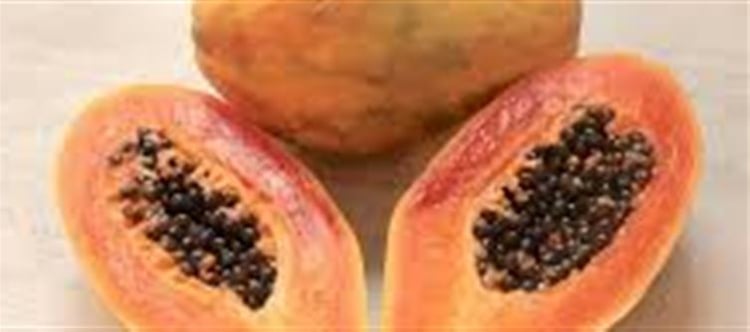


Papaya isn’t just a sweet, tropical fruit—it’s a nutrient powerhouse packed with vitamins, minerals, and antioxidants. Experts suggest that including papaya in your diet may support your body’s natural defenses and reduce the risk of certain cancers.
🥭 How Papaya Supports cancer Prevention
1. Rich in Antioxidants
Contains vitamin C, beta-carotene, and flavonoids, which fight free radicals that can damage dna and lead to cancerous changes.
2. High in Fiber
Helps regulate digestion and gut health, which has been linked to lower colorectal cancer risk.
3. Contains Papain
The enzyme papain supports digestion and may reduce inflammation, a factor in cancer development.
4. Boosts Immunity
Vitamins and minerals in papaya strengthen the immune system, helping the body detect and destroy abnormal cells early.
5. Anti-Inflammatory Compounds
Carotenoids and flavonoids in papaya help reduce chronic inflammation, which is linked to cancer progression.
💡 Expert Tips to Maximize Benefits
Eat Fresh or Smoothies: Fresh papaya retains maximum nutrients.
Pair with Healthy Fats: vitamin a and carotenoids are better absorbed with nuts, seeds, or olive oil.
Include Variety: Combine papaya with other fruits and vegetables rich in antioxidants for broader protection.
Regular Consumption: Consistent intake, rather than occasional servings, supports long-term health benefits.
🔥 Bottom Line
While no single food can guarantee cancer prevention, papaya is a powerful ally due to its antioxidants, fiber, and anti-inflammatory compounds. Including papaya regularly as part of a balanced diet can help strengthen immunity, reduce inflammation, and support overall cellular health.
Disclaimer:
The views and opinions expressed in this article are those of the author and do not necessarily reflect the official policy or position of any agency, organization, employer, or company. All information provided is for general informational purposes only. While every effort has been made to ensure accuracy, we make no representations or warranties of any kind, express or implied, about the completeness, reliability, or suitability of the information contained herein. Readers are advised to verify facts and seek professional advice where necessary. Any reliance placed on such information is strictly at the reader’s own risk.
 click and follow Indiaherald WhatsApp channel