


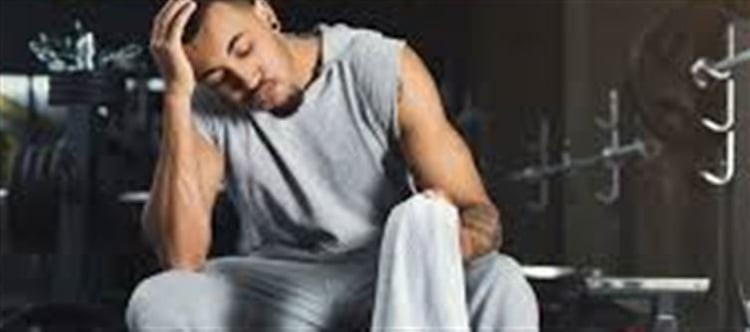

Enjoying a drink occasionally is common, but experts warn that alcohol can sabotage your fitness progress in surprising ways. From weight management to muscle recovery, here’s how drinking can interfere with your hard-earned gains—and what you can do to minimize the impact.
🥂 5 Ways Alcohol Affects Fitness
1. Slows Muscle Recovery
Alcohol interferes with protein synthesis, making it harder for muscles to repair and grow after workouts.
2. Increases Fat Storage
Excess calories from alcohol are converted into fat more readily, especially around the abdomen.
3. Dehydrates the Body
Alcohol is a diuretic, leading to dehydration that impacts energy, endurance, and recovery.
4. Impairs Performance
Even moderate drinking can reduce strength, coordination, and stamina, limiting workout efficiency.
5. Disrupts Sleep
Alcohol affects sleep quality, which is crucial for muscle repair, metabolism, and overall fitness results.
💡 Expert Tips to Limit Alcohol’s Impact
Moderation is Key: Limit intake to occasional drinks and avoid binge drinking.
Hydrate Well: Drink water alongside alcohol to counteract dehydration.
Plan Around Workouts: Avoid heavy drinking before or after intense training sessions.
Choose Wisely: Opt for lower-calorie drinks and skip sugary mixers.
Prioritize Recovery: Focus on protein-rich meals and quality sleep after any alcohol consumption.
🔥 Bottom Line
Alcohol doesn’t have to completely derail your fitness goals, but frequent or excessive drinking can slow progress, increase fat storage, and compromise recovery. Being mindful, hydrating, and planning your intake around workouts can help you enjoy a drink without sacrificing results.
Disclaimer:
The views and opinions expressed in this article are those of the author and do not necessarily reflect the official policy or position of any agency, organization, employer, or company. All information provided is for general informational purposes only. While every effort has been made to ensure accuracy, we make no representations or warranties of any kind, express or implied, about the completeness, reliability, or suitability of the information contained herein. Readers are advised to verify facts and seek professional advice where necessary. Any reliance placed on such information is strictly at the reader’s own risk.
 click and follow Indiaherald WhatsApp channel