


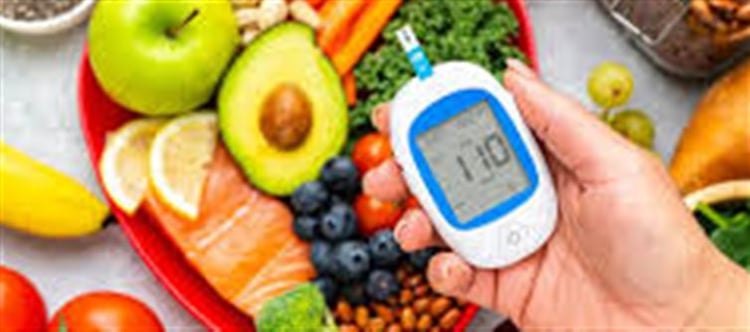

Prediabetes is a warning sign that your blood sugar is higher than normal, increasing the risk of type 2 diabetes. The good news? Simple dietary choices can help stabilize blood sugar and prevent progression to diabetes. Experts highlight foods that support natural glucose control.
🍽️ Blood Sugar-Stabilizing Foods
1. Leafy Greens
Examples: Spinach, kale, collard greens
Benefits: Low in carbs, high in fiber, magnesium, and antioxidants, which support glucose regulation.
2. Whole Grains
Examples: Oats, quinoa, brown rice, barley
Benefits: High in fiber and slow-digesting carbs, they prevent blood sugar spikes.
3. Nuts and Seeds
Examples: Almonds, walnuts, chia seeds, flaxseeds
Benefits: Rich in healthy fats, protein, and magnesium, which improve insulin sensitivity.
4. Legumes
Examples: Lentils, chickpeas, black beans
Benefits: Low-glycemic, high in fiber and protein, helping stabilize blood sugar levels.
5. Berries
Examples: Blueberries, strawberries, raspberries
Benefits: Packed with antioxidants and fiber, which slow sugar absorption and reduce inflammation.
6. cinnamon and Other Spices
Benefits: cinnamon may help improve insulin sensitivity and regulate glucose metabolism.
💡 Expert Tips for Prediabetes Management
Eat Balanced Meals: Combine protein, fiber, and healthy fats to slow glucose absorption.
Avoid Refined Sugars: Minimize sweets, sugary drinks, and processed foods.
Stay Active: Regular exercise improves insulin sensitivity and blood sugar control.
Monitor Your Levels: Track blood sugar to understand how foods affect your body.
🔥 Bottom Line
If you’re living with prediabetes, incorporating these expert-recommended foods into your daily diet can help maintain steady blood sugar, reduce inflammation, and prevent diabetes progression. Pair with physical activity, hydration, and stress management for best results.
Disclaimer:
The views and opinions expressed in this article are those of the author and do not necessarily reflect the official policy or position of any agency, organization, employer, or company. All information provided is for general informational purposes only. While every effort has been made to ensure accuracy, we make no representations or warranties of any kind, express or implied, about the completeness, reliability, or suitability of the information contained herein. Readers are advised to verify facts and seek professional advice where necessary. Any reliance placed on such information is strictly at the reader’s own risk.
 click and follow Indiaherald WhatsApp channel