



Diabetes in India: A Growing Concern
India has nearly 89.8 million adults (20–79 years) living with diabetes, according to the indian Council of Medical Research.
Rapid lifestyle changes and high-carb diets contribute to rising blood sugar levels.
Choosing the right carbohydrate sources is essential for better glucose control.
A common dietary doubt: Should you pick regular potatoes or sweet potatoes?
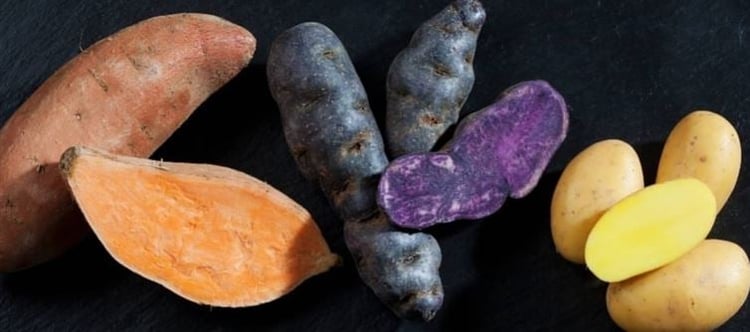
🥔 Different Types of Potatoes in India
Not all potatoes affect blood sugar the same way.
Research published in the indian Journal of Horticulture by the Central Potato Research Institute, Shimla, evaluated 46 indian varieties.
Varieties such as Kufri Anand, Kufri Arun, and Kufri Neela show slower carbohydrate breakdown.
Slower digestion helps reduce sudden blood sugar spikes.
100g of regular potato contains about 17g of carbohydrates.
Boiled potatoes have a high glycemic index (GI) of 78–82.
Frying increases GI further due to starch gelatinisation and fat absorption.
Cooling boiled potatoes slightly lowers GI by forming resistant starch.
Portion control and cooking method significantly impact blood sugar response.
🍠 What Makes sweet potato Special?
Sweet potatoes contain around 20g of carbohydrates per 100g.
Their GI ranges from 44–61, making them gentler on blood sugar.
Rich in dietary fibre, which slows glucose absorption.
Packed with vitamin a (beta-carotene) and vitamin C.
Contain bioactive compounds like carotenoids, anthocyanins, and phenolic acids.
Studies in the international Journal of Food Science and technology suggest these compounds may reduce insulin resistance.
Purple varieties offer additional antioxidant benefits.
✅ Which Is Better for Blood Sugar?
Sweet potatoes generally have a lower GI and higher fibre, making them a better option for diabetes management.
Regular potatoes are not “forbidden” but should be eaten in moderation.
Avoid fried preparations like chips and fries.
Pair either vegetable with dal, legumes, curd, or leafy vegetables to balance meals.
Practice mindful portions (½–1 cup cooked).
Both can fit into a balanced indian diet when prepared wisely.
Disclaimer:
The information contained in this article is for general informational purposes only. While we strive to ensure accuracy, we make no warranties or representations of any kind, express or implied, about the completeness, accuracy, reliability, suitability, or availability of the content. Any reliance you place on the information is strictly at your own risk. The views, opinions, or claims expressed in this article are those of the author and do not necessarily reflect the official policy or position of any organization mentioned. We disclaim any liability for any loss or damage arising directly or indirectly from the use of this article.
 click and follow Indiaherald WhatsApp channel