


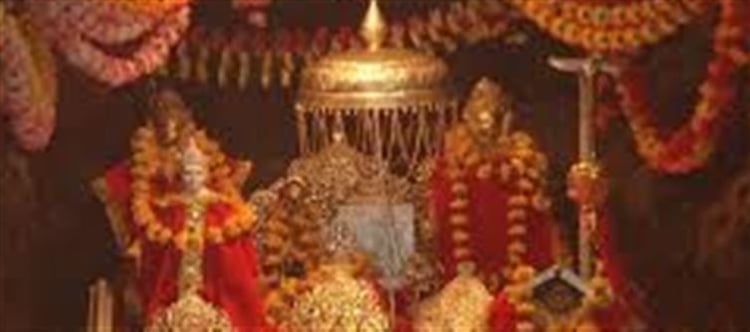

High in the sacred hills of the vaishno devi region in Jammu & Kashmir, where millions of devotees make the annual pilgrimage to the famous cave of Mata vaishno devi, there are lesser‑known spiritual spots that few outsiders hear about — including hidden shrines dedicated to Lord Shiva tucked deep into the mountainside. These quiet sanctums, often overlooked by mainstream pilgrimage routes, have a long tradition of surprising even the skeptical with moments that feel deeply spiritual and transcendent.
📍 The Sacred Landscape of Vaishno Devi
The vaishno devi shrine itself sits in the Trikuta Mountains, and its main cave houses three sacred natural rock formations (pindis) representing aspects of the Divine Mother — Maa Kaali, Maa Lakshmi, and Maa Saraswati — revered by devotees as manifestations of the goddess. Pilgrims usually begin their journey from Katra and climb approximately 13 km to reach the Holy Cave, a trek symbolizing devotion and surrender.
Nearby, but often off the beaten track, are cave shrines linked to Lord Shiva — including smaller natural grottoes where a shiva lingam or symbols associated with Shaivism can be found. One such shrine — sometimes referred to as Shiv Gufa or Shiv Khori depending on the specific locale in the Reasi hills — is a naturally formed cave long associated with Lord shiva worship and local legends.
🧍♂️ The Skeptic’s Journey
For many visitors, the vaishno devi pilgrimage is rooted in tradition and faith. But one story that circulates quietly among travelers and locals alike is of a self‑described non‑believer who set out on the trek almost purely as a cultural or physical challenge, rather than a religious quest.
Initially detached and analytical in mindset, the person’s expectations were straightforward: “A long walk, interesting views, maybe a cool cave at the end.” But what happened deeper in the hills — at a lesser‑visited shiva shrine tucked away from the main path — was something they themselves later described as “unexplainable.”
🌄 A Glimpse Beyond Doubt
According to the narrative shared by others at the site, upon entering the hidden Shiv Mandir — a dim, rough‑hewn cave shrine with a natural or simple lingam form — the atmosphere shifted. The air grew palpably cooler, sounds faded into silence, and an overwhelming sense of presence seemed to fill the space. Many visitors describe this sensation as a profound stillness, a moment that feels like the world stops for just a breath.
For the non‑believer, this translated into a kind of inner pause — a sudden, intense awareness that differed fundamentally from normal perception. Rather than thinking about beliefs or doctrines, they felt a visceral presence that stirred something deep inside them. When they later emerged from the cave, their perspective had shifted: what was once merely a trek or sight‑seeing trip became part of a personal transformation, a moment of unexpected reverence that transcended intellectual skepticism.
🕉️ Why Such Experiences Happen
Stories like these — where a non‑believer reports a powerful connection in a sacred space — are common in pilgrimage narratives worldwide. They usually share a few common elements:
🌿 Sacred Geography
Certain sites — especially caves, mountains, and places long associated with spiritual practice — have accumulated layers of cultural meaning over centuries. This can influence visitors on both conscious and subconscious levels.
🧘 Quiet and Isolation
Being far from crowds, noise, and routine life allows the mind to quiet down, making moments of insight or emotional clarity more likely.
🔱 Symbolic Presence of the Divine
For many traditions, shiva represents the infinite, the stillness beyond form, the witness consciousness. Encountering a shiva shrine can therefore feel like touching something vast and undefined — especially in a natural, secluded cave setting, where physical simplicity underscores spiritual depth.
🧭 Not Just a temple — A Threshold
What makes this kind of experience remarkable is not just the temple itself — but the inner experience people report:
A sudden calm or clarity that feels unlike ordinary thought
A deep emotional shift, even in those who came without belief
A sense of being part of something larger than oneself
These experiences suggest that sacred spaces may serve as thresholds — places where the usual filters of daily life temporarily fall away, allowing an individual to encounter something profound and personally meaningful.
🪔 In Summary
Hidden Shiv Shrines: Near the famed vaishno devi pilgrimage route, lesser‑known shiva shrines and caves have existed for generations, often overlooked by mainstream travel guides.
A Non‑Believer’s Encounter: A visitor without pre‑existing belief reported an unexpectedly powerful experience of stillness and presence in such a cave temple — a moment that changed their outlook.
Why It Matters: Whether interpreted spiritually, psychologically, or culturally, such experiences highlight how sacred places — especially ancient, quiet spaces in nature — can facilitate deep inner awareness.
Disclaimer:
The views and opinions expressed in this article are those of the author and do not necessarily reflect the official policy or position of any agency, organization, employer, or company. All information provided is for general informational purposes only. While every effort has been made to ensure accuracy, we make no representations or warranties of any kind, express or implied, about the completeness, reliability, or suitability of the information contained herein. Readers are advised to verify facts and seek professional advice where necessary. Any reliance placed on such information is strictly at the reader’s own risk.
 click and follow Indiaherald WhatsApp channel