


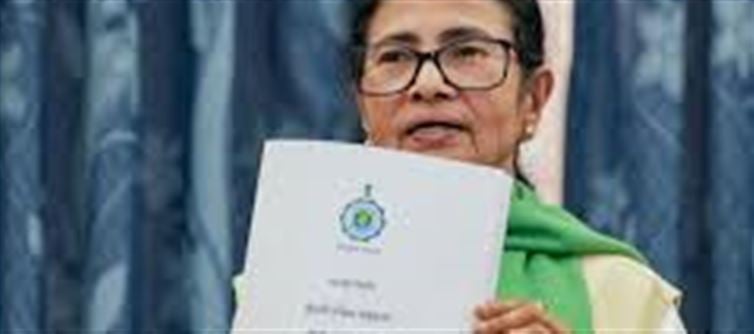

As part of its interim budget for the 2026‑27 financial year, the West bengal government announced a new youth‑focused welfare initiative called the ‘Banglar yuva Sathi’ scheme. This announcement was made by Finance minister Chandrima Bhattacharya while tabling the budget in the West bengal Legislative Assembly ahead of the state’s upcoming assembly elections.
🎯 What Is ‘Banglar yuva Sathi’?
The ‘Banglar yuva Sathi’ scheme is a state‑government welfare programme designed to support unemployed young people in West Bengal. It aims to provide financial assistance and job support to unemployed youths until they find work or for a defined period.
💰 Key Benefits & Features
📌 Monthly Allowance
Under the scheme, eligible unemployed youth will receive a monthly stipend of ₹1,500. This amount is intended to help them with basic needs while they search for employment or skill‑building opportunities.
⏳ Duration of Support
The allowance will be provided:
Until the beneficiary secures a job, or
For a maximum of up to five years, whichever comes first.
🧑🎓 Target Age Group
The scheme is focused on unemployed persons aged between 21 and 40 years.
📆 Roll‑Out Timeline
The government proposes to launch the scheme from August 15, 2026, provided the ruling party remains in power after the assembly elections.
🧠 Who Can Benefit? Eligibility Overview
The primary target group for Banglar yuva Sathi includes:
Youth aged 21‑40 years
Residents of West Bengal
Those without regular employment
Individuals not receiving similar social security benefits (except educational scholarships)
The scheme is expected to give unhindered support to those currently unemployed while they pursue job opportunities and increase their employability.
📊 Budget & Financial Allocation
The government has earmarked about ₹5,000 crore in the 2026‑27 interim budget to fund this scheme and ensure its implementation if it comes into effect as planned.
📍 Why ‘Banglar yuva Sathi’ Matters
👩🎓 Support for Youth
West bengal, like many indian states, faces challenges with youth unemployment. Providing a monthly allowance can help reduce financial stress and enable young people to focus on upskilling, job search, and career planning.
📈 Bridging Skills & Opportunity Gaps
By offering income support while youths seek jobs, the scheme seeks to bridge the gap between education and employment — potentially encouraging more young people to pursue skill development or vocational training.
🗳️ Political & Social Context
Announced in an interim budget just months before assembly elections, the programme is also seen as part of broader welfare efforts aimed at engaging key voter groups like youth and women.
🧩 How It Fits Into the Larger Budget
The Banglar yuva Sathi scheme was unveiled alongside other major proposals in the interim state budget:
A ₹500 increase in the monthly grant under the Lakshmir Bhandar scheme for women
A 4 % hike in dearness allowance (DA) for state employees
Increased allowances for ASHA and Anganwadi workers
Enhanced pay for civic volunteers and Green police personnel
These components reflect a broad focus on welfare, social security, and employment support in the current financial plan.
📌 Conclusion
The ‘Banglar yuva Sathi’ scheme represents a new state‑level initiative to financially support unemployed youth in West bengal with a monthly stipend of ₹1,500 for up to five years or until employment. Targeted at young adults aged 21‑40, this scheme — set to launch from 15 August 2026 — is part of the broader Rs 4.06 lakh crore interim budget focused on social welfare and job support.
Disclaimer:
The views and opinions expressed in this article are those of the author and do not necessarily reflect the official policy or position of any agency, organization, employer, or company. All information provided is for general informational purposes only. While every effort has been made to ensure accuracy, we make no representations or warranties of any kind, express or implied, about the completeness, reliability, or suitability of the information contained herein. Readers are advised to verify facts and seek professional advice where necessary. Any reliance placed on such information is strictly at the reader’s own risk.
 click and follow Indiaherald WhatsApp channel