


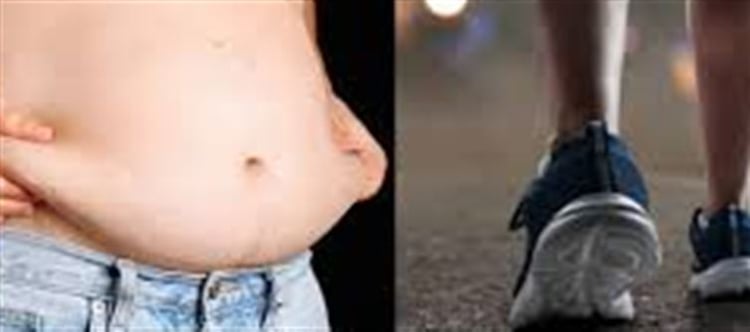

As we age, especially after 50, losing belly fat becomes more challenging. Changes in metabolism, hormonal shifts (like decreased estrogen and testosterone), and a natural loss of muscle mass all contribute to stubborn fat around the midsection. However, one of the simplest, safest, and most effective exercises you can do at this stage is walking. Let’s explore how walking helps reduce belly fat after 50 and how to maximize its benefits.
Why Belly Fat Increases After 50
Before understanding how walking helps, it’s important to know why belly fat accumulates with age:
Slower Metabolism: After 50, your basal metabolic rate naturally slows down, meaning your body burns fewer calories at rest.
Hormonal Changes: Lower levels of estrogen in women and testosterone in men can lead to more fat storage, particularly around the abdomen.
Loss of Muscle Mass: Sarcopenia (age-related muscle loss) reduces calorie-burning capacity, making it easier for fat to accumulate.
Lifestyle Factors: Sedentary behavior, stress, poor sleep, and diet can all worsen belly fat.
Given these factors, incorporating regular physical activity becomes crucial to maintaining a healthy waistline and overall well-being.
How Walking Helps Reduce Belly Fat
Walking is often underestimated, but it can effectively target belly fat when done consistently. Here’s why:
1. Burns Calories
Walking increases energy expenditure, helping create a calorie deficit, which is necessary for fat loss. While brisk walking burns fewer calories than running, it’s gentler on joints and sustainable for older adults.
Example: A 60-year-old person weighing 70 kg can burn around 150–200 calories in 30 minutes of brisk walking.
Over weeks and months, this calorie burn contributes to overall fat loss, including belly fat.
2. Reduces Visceral Fat
Visceral fat is the dangerous fat that surrounds internal organs and increases the risk of heart disease and diabetes. Studies show that moderate-intensity aerobic exercise, like brisk walking for 30–60 minutes daily, can significantly reduce visceral fat even without major dietary changes.
3. Improves insulin Sensitivity
After 50, insulin resistance can make it harder to lose belly fat. Walking improves insulin sensitivity, helping your body manage blood sugar levels and reduce fat storage in the abdominal area.
4. Supports Muscle Preservation
While walking is low-impact, it engages your legs, core, and glutes, helping maintain muscle mass. Preserving muscle is crucial because muscle burns more calories than fat, even at rest.
5. Reduces Stress and Cortisol
High stress increases cortisol, a hormone that promotes belly fat accumulation. Walking, especially outdoors, can reduce stress and improve mood, indirectly helping reduce midsection fat.
Tips to Maximize Belly Fat Loss Through Walking
Walking alone can help, but pairing it with smart strategies boosts results:
1. Go Brisk and Include Intervals
Aim for a brisk pace that slightly raises your heart rate and breathing.
Try interval walking: alternate 2 minutes of fast walking with 1 minute of moderate walking. This increases calorie burn and targets belly fat more effectively.
2. Walk Daily
Consistency is key. Try to walk 30–60 minutes daily, or at least 5 days a week.
Even shorter bouts (10–15 minutes) multiple times a day add up and benefit fat loss.
3. Use Proper Form
Keep your back straight, engage your core, and swing your arms to burn more calories.
Proper posture also reduces the risk of joint pain or injuries.
4. Combine with Strength Training
Include 2–3 days of strength training weekly to build muscle.
Stronger muscles improve metabolism, making it easier to lose belly fat over time.
5. watch Your Diet
Walking helps, but diet plays a major role in losing belly fat.
Focus on whole foods, lean proteins, vegetables, and fiber, while reducing processed foods and sugary drinks.
How Long Will It Take to See Results?
Results vary depending on your starting weight, diet, intensity, and consistency.
Mild Belly Fat Reduction: 4–6 weeks of daily brisk walking combined with healthy eating.
Noticeable Waistline Changes: 8–12 weeks of consistent walking and lifestyle adjustments.
Remember, slow and steady progress is more sustainable and healthier after 50.
Bonus: Walking Has Other health Benefits After 50
Improves heart health and reduces risk of cardiovascular disease.
Supports joint health with low-impact movement.
Boosts mood and mental health by releasing endorphins.
Enhances mobility and balance, reducing fall risk.
Conclusion: Walking Is a Powerful Ally Against Belly Fat After 50
Yes, walking can help reduce belly fat after 50, especially when done consistently, briskly, and combined with a healthy diet and strength training. Unlike high-impact exercises that may strain joints, walking is gentle, safe, and highly effective for fat loss and overall health.
💡 Pro Tip: Consider adding a daily 30–45 minute brisk walk, along with core-focused exercises and healthy eating, to target belly fat while improving heart health and mobility.
Disclaimer:
The views and opinions expressed in this article are those of the author and do not necessarily reflect the official policy or position of any agency, organization, employer, or company. All information provided is for general informational purposes only. While every effort has been made to ensure accuracy, we make no representations or warranties of any kind, express or implied, about the completeness, reliability, or suitability of the information contained herein. Readers are advised to verify facts and seek professional advice where necessary. Any reliance placed on such information is strictly at the reader’s own risk.
 click and follow Indiaherald WhatsApp channel