


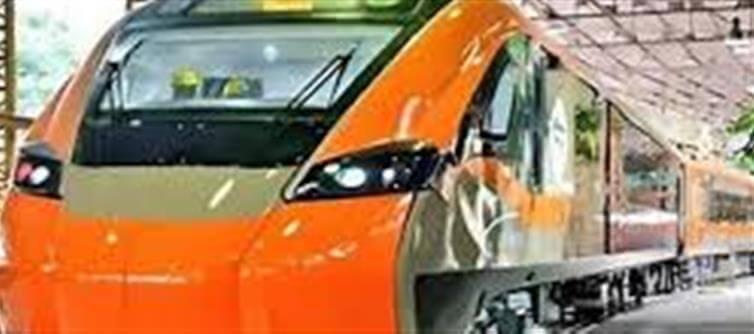

Earlier, indian Railways used to have dedicated coaches for military personnel, allowing soldiers and officers to travel safely and conveniently. However, over the years, the number of such coaches has gradually decreased, and they are rarely seen today.
Reasons for the Removal of Military Coaches
Security Concerns
With increased focus on national security, moving troops in separate, identifiable coaches can sometimes pose a risk of targeted attacks or security breaches.
Modern defense logistics prefers secure transport methods that are less conspicuous.
Coach Availability and Utilization
Indian Railways has limited coaches, and maintaining dedicated military coaches reduces the number available for civilian passengers.
With growing passenger demand, these coaches are often reallocated for general use.
Changes in Defense Travel Quotas
The defense travel quota has evolved. Military personnel now often travel in reserved seats in regular coaches, rather than requiring separate coaches.
The use of bulk bookings and reserved compartments makes separate coaches unnecessary.
Railway Modernization
Introduction of modern trains with better facilities, air-conditioned coaches, and high-speed services has reduced the need for separate military coaches.
Special facilities for defense personnel are now integrated into regular coaches, such as priority booking and reserved quotas.
Operational Efficiency
Separate coaches require extra scheduling, maintenance, and management.
Combining military and civilian travel improves efficiency and utilization of resources.
How Military Travel Works Now
- Military personnel are allocated seats or entire compartments in regular trains under defense quotas.
- They may also use special trains or temporary arrangements for large troop movements during exercises or emergencies.
- Advanced booking systems and e-ticketing make it easier to manage defense travel without separate coaches.
Conclusion
The decline of dedicated military coaches on indian trains is due to a combination of security, operational, and modernization reasons. While separate coaches were once a common sight, today, defense personnel travel efficiently using reserved quotas in regular trains, balancing the needs of both civilians and the armed forces.
Disclaimer:
The views and opinions expressed in this article are those of the author and do not necessarily reflect the official policy or position of any agency, organization, employer, or company. All information provided is for general informational purposes only. While every effort has been made to ensure accuracy, we make no representations or warranties of any kind, express or implied, about the completeness, reliability, or suitability of the information contained herein. Readers are advised to verify facts and seek professional advice where necessary. Any reliance placed on such information is strictly at the reader’s own risk.
 click and follow Indiaherald WhatsApp channel