



Introduction
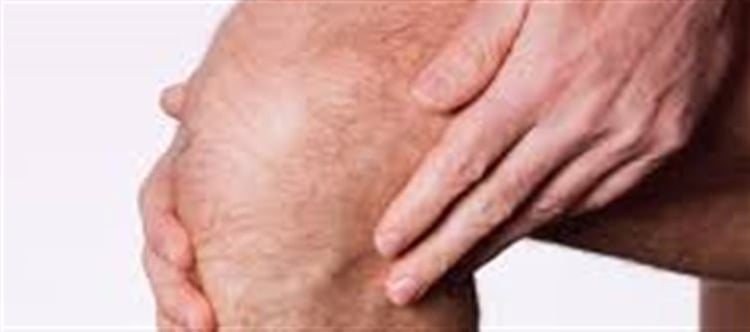
Statins are commonly prescribed medications for lowering cholesterol and reducing the risk of heart attacks and strokes. While generally safe and effective, some people experience muscle pain or weakness as a side effect, known medically as statin-associated muscle symptoms (SAMS). Understanding this side effect can help patients manage it while still benefiting from statin therapy.
What Is Statin Muscle Pain?
Statin muscle pain typically presents as:
- Muscle aches, stiffness, or tenderness
- Fatigue or weakness in the legs, arms, or back
- Sometimes cramps or heaviness in muscles
This discomfort can range from mild and tolerable to severe enough to interfere with daily activities.
Why Statins Cause Muscle Pain
The exact mechanism is not fully understood, but possible explanations include:
- Impact on muscle cells: Statins may reduce production of certain substances that help muscles function properly.
- Mitochondrial effects: Statins can affect energy production in muscle cells.
- Genetic susceptibility: Some people are more prone to muscle side effects due to genetic factors.
Who Is at Risk?
Certain factors can increase the likelihood of experiencing statin muscle pain:
- Older age (especially over 70)
- High statin doses
- Use of multiple medications that interact with statins
- Pre-existing muscle or kidney disorders
- Family history of statin intolerance
Managing Statin Muscle Pain
1. Report Symptoms Early
- Inform your doctor immediately if you experience persistent muscle aches or weakness.
- Early detection can prevent severe complications.
2. Adjust the Medication
- Doctors may reduce the statin dose, switch to a different type of statin, or recommend alternate-day dosing.
3. lifestyle Modifications
- Exercise regularly but avoid sudden, intense workouts if experiencing pain.
- Maintain a balanced diet rich in protein and essential nutrients for muscle health.
4. Supplements (With Doctor’s Advice)
- Some studies suggest that coenzyme Q10 (CoQ10) supplements may help reduce muscle symptoms, though evidence is mixed.
- Never start supplements without consulting your doctor.
5. Monitor for Severe Symptoms
- Seek immediate medical attention if you experience severe muscle pain, dark urine, or weakness, as this could indicate rhabdomyolysis, a rare but serious side effect.
Balancing Benefits and Risks
While statin muscle pain can be uncomfortable, the benefits of statins in preventing heart attacks and strokes often outweigh the risks. Working closely with your doctor allows for safe management of side effects without compromising cardiovascular protection.
Conclusion
Statin-associated muscle pain is a relatively common side effect but can usually be managed effectively through dose adjustments, medication changes, and lifestyle modifications. Awareness, prompt reporting, and collaboration with your healthcare provider are key to continuing statin therapy safely while minimizing discomfort.
Disclaimer:
The views and opinions expressed in this article are those of the author and do not necessarily reflect the official policy or position of any agency, organization, employer, or company. All information provided is for general informational purposes only. While every effort has been made to ensure accuracy, we make no representations or warranties of any kind, express or implied, about the completeness, reliability, or suitability of the information contained herein. Readers are advised to verify facts and seek professional advice where necessary. Any reliance placed on such information is strictly at the reader’s own risk.
 click and follow Indiaherald WhatsApp channel