


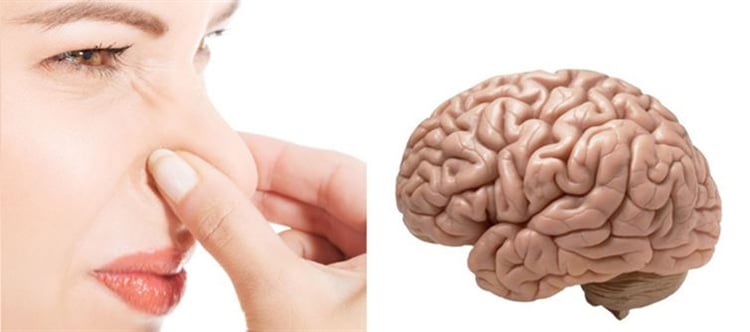

🔥 FROM JOKE TO BREAKTHROUGH: THE GAS YOU LAUGH AT MAY SAVE YOUR BRAIN 🔥
It sounds ridiculous.
It smells worse.
And it might be revolutionary.
A gas best known for clearing rooms — hydrogen sulfide, released naturally by the human body and during flatulence — has just been linked to dramatic protection against Alzheimer’s disease in a major new study.
Laugh if you want. The science doesn’t care.
⚔️ What the Study Actually Found
1️⃣ A 50% improvement — not marginal, massive
Researchers at Johns Hopkins Medicine treated genetically modified mice designed to mimic Alzheimer’s disease with a hydrogen sulfide–releasing compound. After 12 weeks, the results were staggering:
50% improvement in memory
50% improvement in physical function
That’s not noise. That’s a signal.
2️⃣ Published in serious science, not clickbait journals
The findings appeared in the Proceedings of the National Academy of Sciences (PNAS) — one of the most respected scientific journals in the world.
🧠 Why Hydrogen Sulfide Matters
3️⃣ Your brain already uses it — until it can’t
Hydrogen sulfide isn’t a gimmick. The human body naturally produces it to regulate cellular signaling, especially in the brain. The problem? Production declines with age.
4️⃣ Low levels = neuron vulnerability
As hydrogen sulfide drops, a critical enzyme (glycogen synthase kinase beta) binds too tightly with Tau proteins — the same toxic clumps that choke neurons in Alzheimer’s patients.
Result?
Blocked neural communication.
Cell death.
Memory collapse.
5️⃣ The gas acts like a molecular shield
Restoring hydrogen sulfide levels appears to prevent this destructive binding, keeping neurons functional and connected.
🧪 The Experiment That Changed Everything
6️⃣ Controlled delivery, not bathroom chaos
Scientists didn’t rely on natural production. They used a compound called NaGYY, which slowly releases hydrogen sulfide throughout the body — controlled, targeted, measurable.
7️⃣ Behavior changed, not just biomarkers
Treated mice didn’t just look better on scans. They:
Moved more
Learned faster
Remembered longer
As researchers bluntly put it:
“The behavioral outcomes of Alzheimer’s disease could be reversed.”
🔮 What This Means — And What It Doesn’t
8️⃣ This is not a cure — yet
The study was conducted on mice, not humans. No one is claiming farting cures Alzheimer’s. Anyone saying that is lying.
9️⃣ But it opens a powerful new door
Instead of chasing plaques after damage is done, future treatments could:
Restore hydrogen sulfide levels
Protect neurons earlier
Slow or even reverse degeneration
That’s a strategic shift.
⚡ Final Blow
For decades, Alzheimer’s research chased expensive, flashy targets — and failed repeatedly.
Now, one of the most basic, ignored molecules in the human body has just delivered one of the most promising results yet.
Science doesn’t care if it’s embarrassing.
Progress doesn’t care if it smells bad.
And sometimes, the biggest breakthroughs come from the least respectable places.
 click and follow Indiaherald WhatsApp channel