
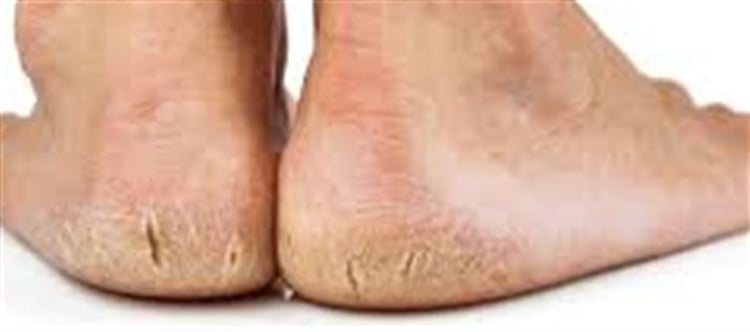


Cracked heels are a common foot problem that affects people of all ages. While often considered a cosmetic issue, they can cause discomfort, pain, and even infections if left untreated. The condition occurs when the skin on the heels becomes dry, thick, and inflexible, leading to fissures or cracks. Understanding the causes, prevention strategies, and remedies is crucial for maintaining healthy, smooth feet.
1. Common Causes of Cracked Heels
Cracked heels are primarily caused by dryness and pressure, but several factors can contribute:
Dry Skin (Xerosis): Lack of moisture makes the skin on the heels hard and prone to cracking.
Prolonged Standing: Excess pressure from standing for long periods, especially on hard surfaces, can exacerbate cracks.
Obesity: Extra body weight increases pressure on the heels, causing fissures.
Footwear Issues: Open-backed shoes or sandals provide no support to heels, causing the skin to expand and crack.
Medical Conditions: diabetes, eczema, psoriasis, and thyroid disorders can affect skin health and healing.
Age: Aging reduces skin elasticity and moisture retention, making heels more vulnerable.
Hot Showers or Harsh Soaps: Excessive washing or use of drying soaps can strip natural oils from the feet.
2. Symptoms of Cracked Heels
Rough, dry, or flaky skin on the heels
Visible cracks or fissures, sometimes deep
Pain or discomfort while walking or standing
Redness or inflammation around the cracks
Occasional bleeding in severe cases
Tip: Early intervention prevents deeper cracks and potential infections.
3. Daily Foot Care Practices
Proper foot care is essential to prevent and heal cracked heels:
Regular Cleansing: Wash feet with lukewarm water and mild soap. Avoid hot water that dries out the skin.
Moisturize Twice Daily: Use thick creams or foot balms containing urea, shea butter, glycerin, or coconut oil. Apply after bathing and before bedtime.
Exfoliation: Remove dead skin gently with a pumice stone or foot scrub 2–3 times a week.
Wear Supportive Footwear: Closed shoes with cushioned soles reduce pressure and prevent further cracks.
Socks: Cotton or moisture-wicking socks keep feet hydrated and protect the heels.
4. home Remedies for Cracked Heels
Several natural remedies can soften, nourish, and repair the skin:
Coconut Oil: Rich in fatty acids, it deeply moisturizes and reduces inflammation. Apply at night and wear socks.
Honey: Has antibacterial and humectant properties. Apply a thin layer to heels, leave overnight, and rinse in the morning.
Aloe Vera Gel: Soothes cracked skin and promotes healing. Use fresh gel directly on heels twice daily.
Olive oil and sugar Scrub: Mix sugar and olive oil to exfoliate dead skin gently while moisturizing.
Milk Soak: Soak feet in warm milk for 10–15 minutes; lactic acid helps soften hard skin.
Tip: Consistency is key. Daily care ensures faster healing and prevents recurrence.
5. Advanced Remedies for Severe Cracks
If cracks are painful or bleeding, consider:
Urea-Based Creams: Helps in softening thick, dry skin and promotes healing.
Salicylic Acid Creams: aids in exfoliating dead skin, used under medical guidance.
Professional Pedicure: Podiatrists can remove hard calluses safely and provide specialized care.
Foot Masks or Overnight Treatments: Intensive creams with occlusive properties protect the heels and accelerate repair.
6. lifestyle Tips to Prevent Cracked Heels
Hydrate: Drink adequate water to maintain skin elasticity.
Balanced Diet: Include vitamins A, E, and omega-3 fatty acids for healthy skin.
Avoid Prolonged Barefoot Walking: Hard surfaces increase pressure and dryness.
Check for Underlying Conditions: Manage diabetes, thyroid issues, or skin disorders with medical supervision.
7. When to Seek Medical Attention
Consult a doctor or podiatrist if:
Cracks are deep, painful, or bleeding
Signs of infection appear (swelling, pus, redness)
Home remedies fail to improve the condition
Underlying medical conditions complicate healing
Early professional intervention prevents complications like ulcers, infections, or cellulitis, especially in diabetic individuals.
Conclusion
Cracked heels are a common but manageable condition. With consistent care, proper moisturization, gentle exfoliation, supportive footwear, and home remedies, most cases can heal naturally. Addressing the root causes, maintaining foot hygiene, and monitoring for underlying health issues ensures soft, smooth, and pain-free heels year-round.
Remember: Healthy feet are the foundation for an active lifestyle—take care of them to stay comfortable, confident, and mobile.
Disclaimer:
The views and opinions expressed in this article are those of the author and do not necessarily reflect the official policy or position of any agency, organization, employer, or company. All information provided is for general informational purposes only. While every effort has been made to ensure accuracy, we make no representations or warranties of any kind, express or implied, about the completeness, reliability, or suitability of the information contained herein. Readers are advised to verify facts and seek professional advice where necessary. Any reliance placed on such information is strictly at the reader’s own risk.
 click and follow Indiaherald WhatsApp channel