


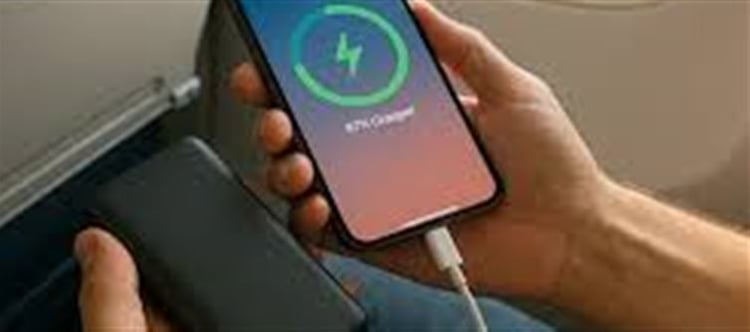

The Directorate General of Civil Aviation (DGCA), India’s aviation regulator, has issued updated rules on carrying power banks and lithium-ion batteries on flights. This comes after a global rise in fire incidents caused by these devices. Power banks, which are popular for charging phones and other gadgets on the go, can pose serious fire hazards if not handled properly.
1. Why DGCA Issued the Advisory
Lithium-ion batteries, the type used in most power banks, can overheat, catch fire, or even explode if they are damaged, overcharged, or short-circuited.
Key concerns:
· Global incidents: There has been a surge in fire incidents on flights worldwide caused by power banks in passenger luggage.
· Passenger safety: Even a small fire in the cabin or cargo area can be dangerous and hard to control.
· Crew safety: Flight crews need clear rules to manage risks linked to passengers carrying high-capacity batteries.
The DGCA’s new advisory is meant to reduce these risks and ensure air travel remains safe.
2. Key DGCA Rules on Carrying Power Banks
Here’s what passengers and airlines need to know:
a) Only in Hand Luggage
· Passengers cannot pack power banks in checked luggage (the baggage stored in the cargo hold).
· Power banks must be carried in hand luggage (cabin baggage) only.
Reason: Fires in the cargo hold are harder to detect and extinguish, while cabin fires can be managed more quickly by crew.
b) Capacity Limits
· Power banks are allowed up to a certain capacity, usually measured in Watt-hours (Wh):
o Up to 100 Wh: Allowed without airline approval.
o Between 100–160 Wh: Allowed only with airline approval.
o Above 160 Wh: Prohibited on passenger flights.
Example: Most standard phone power banks are around 10–20 Wh, while large laptop power banks can be 100–150 Wh.
c) Number of Devices
· airlines may limit the number of power banks per passenger to reduce risks.
· Carrying multiple high-capacity devices can increase the likelihood of an incident.
d) Safety Measures
Passengers are advised to:
· Carry original or certified batteries; avoid cheap, counterfeit power banks.
· Prevent short circuits: Keep power banks in separate pouches or cover terminals.
· Avoid damaged batteries: Swollen, leaking, or broken power banks should never be taken on flights.
Airlines are also advised to:
· train crew to handle lithium battery fires.
· Keep fire containment equipment like special fireproof bags onboard.
3. Why Power Banks Are Risky on Flights
Lithium-ion batteries are chemically volatile. Under stress, they can enter a “thermal runaway” state:
1. Battery heats up excessively.
2. Internal chemical reactions produce gas and sparks.
3. fire spreads quickly and is difficult to extinguish.
Even a small spark can endanger passengers, electronics, and the aircraft. That’s why DGCA strictly regulates them.
4. Global Context
Many international aviation authorities like the FAA (US) and EASA (Europe) have similar rules. DGCA’s advisory brings india in line with global safety standards, ensuring indian airlines follow international norms.
5. What Passengers Should Do
· Check airline rules before traveling. Some airlines may have stricter limits.
· Keep power banks in carry-on luggage only.
· Carry essential chargers separately, avoid makeshift wiring.
· Do not overcharge or use faulty devices.
Following these rules reduces the risk of accidents and ensures smooth security checks at airports.
Key Takeaways
· Power banks can cause fire hazards; DGCA rules aim to reduce these risks.
· Carry only in hand luggage, respect capacity limits, and avoid damaged devices.
· airlines and crew are now required to follow stricter safety procedures for lithium batteries.
· Passengers should plan ahead and comply with safety measures to avoid fines or confiscation at airports.
Disclaimer:
The views and opinions expressed in this article are those of the author and do not necessarily reflect the official policy or position of any agency, organization, employer, or company. All information provided is for general informational purposes only. While every effort has been made to ensure accuracy, we make no representations or warranties of any kind, express or implied, about the completeness, reliability, or suitability of the information contained herein. Readers are advised to verify facts and seek professional advice where necessary. Any reliance placed on such information is strictly at the reader’s own risk.
 click and follow Indiaherald WhatsApp channel