


Introduction
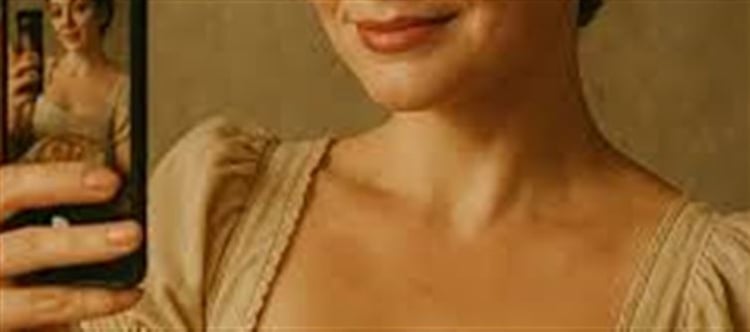
The rise of "tradwife" influencers—women promoting traditional homemaking roles—has sparked significant attention on social media. On the surface, they appear to be selling a nostalgic aesthetic of domesticity: perfectly curated homes, vintage fashion, and idyllic family life. However, their influence runs deeper, often intertwining with broader socio-political messages.
What is a Tradwife?
- Definition: "Tradwife" is short for "traditional wife," referring to women who embrace the role of homemaker, prioritize family, and follow conventional gender norms.
- Key Features: Vintage fashion, domestic skills (cooking, sewing, cleaning), motherhood, and a focus on family values.
- Appeal: They often market a sense of nostalgia, calm, and order in contrast to modern, chaotic lifestyles.
The Aesthetic vs. the Ideology
- Aesthetic Appeal: instagram feeds and TikTok videos showcase beautifully decorated homes, elegant dresses, and family-centered activities.
- Underlying Ideology: Beyond the visuals, many tradwife influencers promote anti-feminist and anti-modern messages, suggesting that women abandoning traditional roles are unhappy or morally misguided.
- Cultural Messaging: This goes beyond personal lifestyle choice—it often reinforces patriarchal norms and idealizes a past era where women’s roles were strictly defined.
Social media as a Tool
- Algorithmic Amplification: Platforms reward content that is visually pleasing and emotionally resonant, helping tradwife influencers reach large audiences.
- Community Building: Followers are often encouraged to adopt similar lifestyles, creating echo chambers where anti-modern or anti-feminist narratives gain traction.
- Monetization: Influencers can monetize through brand partnerships, sponsored posts, and even selling courses or guides for achieving the “tradwife lifestyle.”
Controversies and Criticism
- Feminist Backlash: Critics argue that tradwife content undermines women’s autonomy and perpetuates harmful stereotypes.
- Political Undertones: Some accounts intersect with far-right ideology, using traditionalist messaging to push anti-modern, anti-diversity agendas.
- Psychological Impact: Younger women may feel pressured to conform to unrealistic domestic standards, affecting mental health and personal aspirations.
Why This Trend Matters
- Cultural Influence: Tradwife influencers are shaping conversations around gender, work, and family.
- Intersection with Politics: Their messaging can subtly influence political attitudes about gender roles, labor, and family policies.
- Social Reflection: The trend reveals a tension between nostalgia for “simpler times” and the complexities of modern feminist and egalitarian ideals.
Conclusion
While the tradwife movement may appear harmlessly aesthetic at first glance, it carries deeper ideological implications. It blends nostalgia, lifestyle content, and social messaging to sell a version of femininity that is often anti-modern and anti-feminist. Understanding this duality is crucial for navigating social media culture critically.
Disclaimer:
The views and opinions expressed in this article are those of the author and do not necessarily reflect the official policy or position of any agency, organization, employer, or company. All information provided is for general informational purposes only. While every effort has been made to ensure accuracy, we make no representations or warranties of any kind, express or implied, about the completeness, reliability, or suitability of the information contained herein. Readers are advised to verify facts and seek professional advice where necessary. Any reliance placed on such information is strictly at the reader’s own risk.
 click and follow Indiaherald WhatsApp channel