


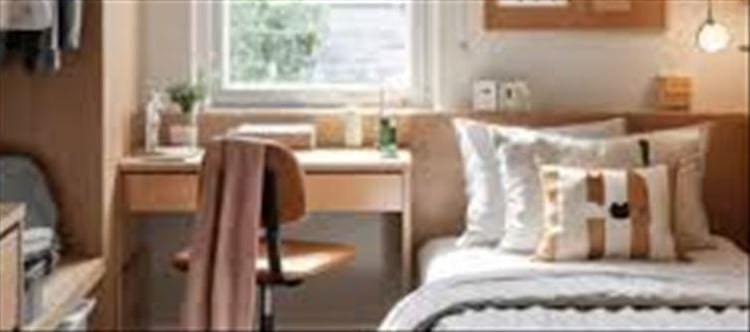

Designing a small home that works well for children is not about having more space—it is about using existing space intelligently. Smart design focuses on safety, flexibility, storage, and creativity to ensure that even compact homes can support a child’s growth, play, and learning.
1. Understanding the Challenge of Small Living Spaces
Small homes often come with limited floor area, shared rooms, and minimal storage. For families with children, this can create challenges such as clutter, lack of play space, and safety concerns. However, thoughtful design can turn these constraints into opportunities by maximizing every corner of the home.
2. Multi-Functional Furniture for Maximum Utility
One of the most effective strategies in small homes is using multi-purpose furniture. Items like bunk beds with built-in desks, foldable study tables, or storage ottomans help save space while serving multiple needs.
For example:
A bed with drawers underneath eliminates the need for extra cupboards.
A wall-mounted table can act as a study area during the day and fold away when not in use.
Convertible sofas can double as sleeping space for guests or play areas for kids.
This approach reduces clutter and increases usable floor space.
3. Creating Safe Zones for Children
Safety is a top priority in child-friendly design. In small homes, this means carefully planning layouts to reduce risks.
Key strategies include:
Rounded furniture edges to prevent injuries
Non-slip flooring in play areas
Securing heavy furniture to walls
Keeping hazardous items out of reach with smart storage solutions
Designating a specific “safe zone” where children can play freely helps parents maintain better control and peace of mind.
4. Smart Storage Solutions to Reduce Clutter
Clutter can quickly overwhelm small homes, especially with children. Efficient storage systems are essential to maintain order.
Smart storage ideas include:
Vertical shelving that uses wall space
Under-bed storage boxes for toys and clothes
Built-in cupboards in unused corners
Hanging organizers behind doors
When everything has a designated place, children also learn responsibility and organization from an early age.
5. Flexible Spaces That Grow with the Child
Children’s needs change rapidly as they grow. Smart design ensures that rooms can adapt over time without major renovations.
For example:
A nursery can later become a study room with minimal changes.
Adjustable desks and chairs can accommodate different ages.
Neutral wall colors allow easy redesign with accessories instead of repainting.
Flexibility ensures long-term usability of the same space.
6. Encouraging Play and Creativity Within Limited Space
Even small homes can nurture creativity if designed thoughtfully. Play does not require large areas—it requires intention.
Design ideas include:
Wall-mounted chalkboards or whiteboards
Compact indoor play corners
Foldable play mats
Creative storage that doubles as display space for children’s artwork
These features encourage imagination without taking up valuable floor space.
7. Natural Light and Open Visual Design
Natural light plays a major role in making small homes feel bigger and more comfortable. Bright, open spaces are also more stimulating for children.
Design techniques include:
Using light-colored walls and furniture
Placing mirrors to reflect light and create an illusion of space
Keeping window areas uncluttered
Using transparent or lightweight partitions instead of solid walls
This helps create a cheerful and healthy environment for children.
8. Involving Children in the Design Process
A truly child-friendly space considers the child’s preferences. Even in small homes, children can be involved in simple decisions like color themes, storage arrangements, or play corner setups.
This involvement helps them feel a sense of ownership and responsibility toward their environment.
Conclusion
Smart design is not about expanding physical space but about enhancing functionality. By using multi-purpose furniture, safe layouts, efficient storage, and flexible planning, even small homes can become highly child-friendly. The result is a balanced environment where children can play, learn, and grow comfortably—without the limitations of size becoming a barrier.
Disclaimer:
The views and opinions expressed in this article are those of the author and do not necessarily reflect the official policy or position of any agency, organization, employer, or company. All information provided is for general informational purposes only. While every effort has been made to ensure accuracy, we make no representations or warranties of any kind, express or implied, about the completeness, reliability, or suitability of the information contained herein. Readers are advised to verify facts and seek professional advice where necessary. Any reliance placed on such information is strictly at the reader’s own risk.
 click and follow Indiaherald WhatsApp channel