


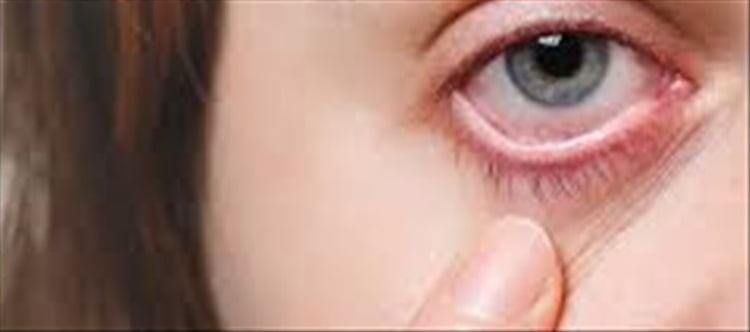

Most people are careful about protecting their skin from the sun, but very few realize that your eyes—especially your corneas—can also suffer from sun damage. Just like skin can get sunburned from UV rays, your eyes can experience a painful condition called photokeratitis, often described as “sunburn of the cornea.”
What Is the Cornea?
The cornea is the clear, dome-shaped surface at the front of your eye. It acts like a window that helps focus light so you can see clearly. Because it is exposed, it is vulnerable to ultraviolet (UV) radiation from the sun.
What Is a “Sunburned Cornea”?
A sunburned cornea, medically known as photokeratitis, occurs when the eye is exposed to high levels of UV rays without protection.
This condition is similar to skin sunburn, but instead of skin cells, the corneal surface cells get temporarily damaged.
Common causes include:
- Prolonged exposure to sunlight, especially at beaches or snow-covered areas
- Looking at bright reflections from water, sand, or metal
- Using tanning beds without eye protection
- Welding without proper safety gear (known as “welder’s flash”)
Symptoms of Sunburned Eyes
Symptoms usually appear several hours after exposure and can include:
- Sharp or burning eye pain
- Redness in the eyes
- Excessive tearing
- Sensitivity to light (photophobia)
- Feeling like there is sand or grit in the eyes
- Blurred vision
- Swollen eyelids
In most cases, both eyes are affected.
Why It Happens
UV rays damage the outer layer of the cornea, causing temporary cell injury. Since the cornea has many nerve endings, even minor damage can feel very painful.
Snow, water, and sand reflect UV rays, increasing exposure. This is why conditions like “snow blindness” are common in snowy mountains.
Is It Dangerous?
Photokeratitis is usually temporary, and the cornea often heals within 24–72 hours. However, repeated exposure without protection can lead to long-term problems such as:
- Cataracts (clouding of the lens)
- Pterygium (growth on the eye surface)
- Macular damage in severe cases
- Increased risk of eye aging
Treatment and First Aid
There is no specific cure, but symptoms can be managed:
- Resting the eyes in a dark room
- Using cold compresses
- Lubricating eye drops (artificial tears)
- Pain relievers if needed
- Avoiding contact lenses until recovery
Most importantly, avoid further UV exposure while healing.
Prevention Tips
Protecting your eyes is simple and highly effective:
- Wear UV-blocking sunglasses (100% UVA and UVB protection)
- Use wide-brimmed hats outdoors
- Wear protective goggles in snow, water, or industrial settings
- Never look directly at the sun
- Use proper welding helmets when working with strong light sources
Final Thoughts
Your eyes are just as vulnerable to the sun as your skin—sometimes even more sensitive. A sunburned cornea may sound unusual, but it is a real and painful condition that can be easily prevented with proper eye protection.
Taking a few simple precautions can save your vision from unnecessary damage and discomfort.
Disclaimer:
The views and opinions expressed in this article are those of the author and do not necessarily reflect the official policy or position of any agency, organization, employer, or company. All information provided is for general informational purposes only. While every effort has been made to ensure accuracy, we make no representations or warranties of any kind, express or implied, about the completeness, reliability, or suitability of the information contained herein. Readers are advised to verify facts and seek professional advice where necessary. Any reliance placed on such information is strictly at the reader’s own risk.
 click and follow Indiaherald WhatsApp channel