


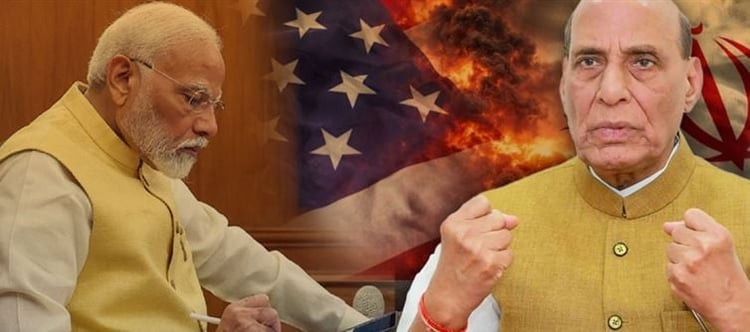

On paper, everything sounds under control. Assurances are given, statements are made, and the narrative remains steady—no major impact, no immediate concern. But step outside into any local street, and the story begins to shift. Not with dramatic headlines, but with something far more telling: the slow, steady rise in everyday prices.
1. The Claim vs The Ground Reality
While official statements suggest that global tensions haven’t affected india yet, the local economy seems to be telling a different story. The changes may look small, but they’re happening fast—and they’re impossible to ignore.
2. The Vada That Says It All
A simple vada—once ₹6—is now ₹7. It’s just one rupee on the surface, but it reflects a deeper shift. These are not premium outlets or fuel-heavy operations. Many of these shops still rely on traditional wood stoves and agricultural by-products for cooking.
3. Snacks Are Getting Costlier Too
It’s not just vadas. Everyday snack items like mixture, sev, and pakoda have jumped from ₹60 to ₹70 per quarter kilo. These are staple, affordable foods—and even they aren’t spared.
4. The Pattern Is Changing
Traditionally, such price hikes were seasonal—around festivals like Diwali. But this time, another increase has arrived within just six months. That’s not routine. That’s a signal.
5. The Bigger Warning Ahead
This isn’t likely to reverse anytime soon. Rising costs tend to stick, not fall. And the ripple effects are already visible beyond food—school uniforms, tailoring charges, and basic essentials are all expected to climb in the coming months.
Conclusion:
The real story isn’t in policy statements—it’s in daily life. When even the most basic items start inching upward, it’s a reminder that economic pressure doesn’t announce itself loudly. It shows up quietly… one rupee at a time.
 click and follow Indiaherald WhatsApp channel