


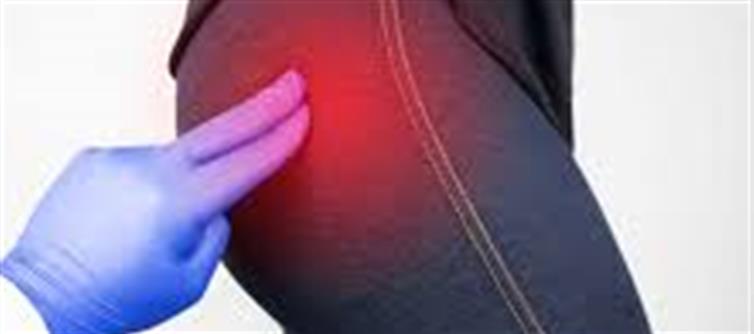

Pain radiating from the lower back down to the legs is a common complaint, but it could signal a condition called sciatica. Sciatica is not a disease itself, but a symptom of an underlying problem affecting the sciatic nerve, the longest nerve in the body.
1. What is Sciatica?
The sciatic nerve runs from the lower spine through the hips, buttocks, and down each leg. When it gets compressed, irritated, or inflamed, it causes sciatica. Causes may include:
· Herniated or bulging discs in the spine
· Spinal stenosis (narrowing of the spinal canal)
· Piriformis syndrome (tightness in the buttock muscles pressing the nerve)
· Injury or trauma to the lower back
2. Common Symptoms of Sciatica
Sciatica symptoms can vary in intensity. Key signs include:
1. Pain along the sciatic nerve path: From lower back → buttocks → back of the thigh → calf → sometimes the foot.
2. Numbness or tingling: Tingling sensations in the leg or foot.
3. Weakness: Difficulty moving the leg or foot properly.
4. Worsening with movement: Pain may intensify while sitting, standing for long periods, or bending.
5. One-sided pain: Usually affects only one leg at a time.
3. When to Seek Medical Help
Consult a doctor immediately if you experience:
· Severe or worsening pain
· Loss of bladder or bowel control
· Persistent numbness or weakness in the legs
These could indicate serious nerve compression requiring urgent attention.
4. Self-care and Treatment Options
Mild sciatica can often be managed at home, while severe cases may need medical intervention:
Home Care
· Gentle stretching exercises for the lower back and hamstrings
· Hot/cold compresses to reduce inflammation
· Avoid prolonged sitting or lifting heavy objects
· Over-the-counter pain relievers (as advised by a doctor)
Medical Treatment
· Physiotherapy to strengthen back and core muscles
· Prescription medications for inflammation or nerve pain
· Surgery in rare cases where nerve compression is severe
Bottom Line
Pain from the waist to the feet should not be ignored, as it could indicate sciatica. Recognizing early symptoms, adopting proper posture, and seeking timely treatment can prevent long-term complications.
Disclaimer:
The views and opinions expressed in this article are those of the author and do not necessarily reflect the official policy or position of any agency, organization, employer, or company. All information provided is for general informational purposes only. While every effort has been made to ensure accuracy, we make no representations or warranties of any kind, express or implied, about the completeness, reliability, or suitability of the information contained herein. Readers are advised to verify facts and seek professional advice where necessary. Any reliance placed on such information is strictly at the reader’s own risk..jpg)
 click and follow Indiaherald WhatsApp channel