


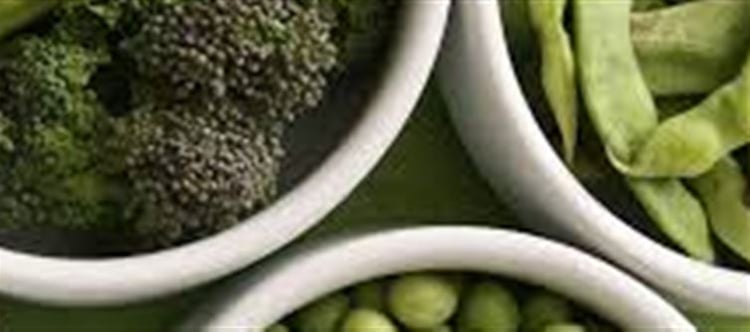

Many people experience bloating, gas, or indigestion even without overeating. Certain foods are more likely to trigger these digestive issues, especially when eaten in large quantities or by individuals with sensitive stomachs.
7 Foods That Can Cause Indigestion and Gas
Beans and Lentils
Beans contain complex sugars called oligosaccharides that are difficult to digest.
They ferment in the gut, producing gas and bloating.
Tips: Soak beans before cooking and gradually increase intake to build tolerance.
Cruciferous Vegetables (Broccoli, Cauliflower, Cabbage)
Rich in fiber and sulfur-containing compounds, these vegetables can cause gas in some people.
Cooking or steaming them can reduce their gas-producing potential.
Dairy Products (Milk, Cheese, Yogurt)
Many people are lactose intolerant, meaning they cannot fully digest lactose, the sugar in milk.
Symptoms include bloating, cramps, and diarrhea.
Lactose-free alternatives or consuming small quantities can help.
Carbonated Beverages
Soda, sparkling water, and other fizzy drinks introduce extra gas into the digestive system.
This can cause burping, bloating, and a feeling of fullness.
Fried and Fatty Foods
Foods high in fat slow down digestion, making you feel heavy and uncomfortable.
Fried snacks, fatty meats, and creamy sauces are common culprits.
Artificial Sweeteners (Sorbitol, Mannitol, Xylitol)
Found in sugar-free gum, candies, and diet drinks, these can ferment in the gut, causing gas and diarrhea.
Onions and Garlic
Contain fructans, a type of carbohydrate that can be difficult to digest.
Can lead to gas, bloating, and stomach discomfort, especially when eaten raw.
Tips to Reduce Gas and Indigestion
Eat Slowly: Chewing food thoroughly reduces swallowed air and improves digestion.
Smaller, Frequent Meals: Helps avoid overloading the digestive system.
Stay Hydrated: Water aids digestion and prevents constipation.
Cook or Steam Vegetables: Makes fiber easier to digest.
Keep a Food Diary: Identify personal triggers to avoid discomfort.
Conclusion
Indigestion and gas can be triggered by everyday foods like beans, broccoli, milk, and carbonated drinks. Being mindful of portion sizes, preparation methods, and personal tolerance can significantly reduce digestive discomfort. Small adjustments in diet and eating habits often make a big difference in maintaining gut comfort and overall digestive health.
Disclaimer:
The views and opinions expressed in this article are those of the author and do not necessarily reflect the official policy or position of any agency, organization, employer, or company. All information provided is for general informational purposes only. While every effort has been made to ensure accuracy, we make no representations or warranties of any kind, express or implied, about the completeness, reliability, or suitability of the information contained herein. Readers are advised to verify facts and seek professional advice where necessary. Any reliance placed on such information is strictly at the reader’s own risk..jpg)
 click and follow Indiaherald WhatsApp channel