


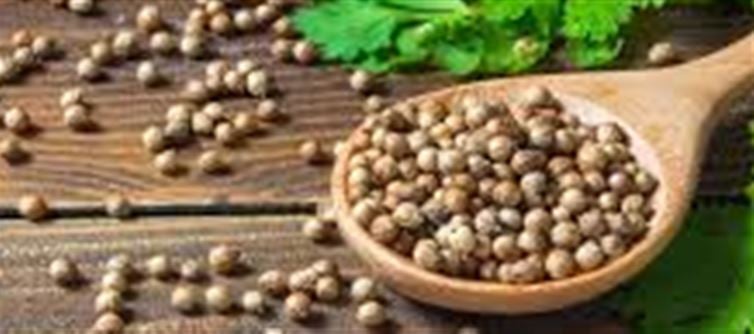

Coriander, known scientifically as Coriandrum sativum, is an herb whose seeds and leaves have been cherished for culinary and medicinal purposes for thousands of years. While coriander leaves (cilantro) are widely used in cooking, the seeds are packed with unique health benefits that often go unnoticed. Let’s delve into the remarkable properties of coriander seeds and understand why they deserve a place in your daily diet.
Nutritional Profile of coriander Seeds
Coriander seeds are rich in essential nutrients and bioactive compounds that contribute to overall well-being:
Vitamins: vitamin C, vitamin K, and small amounts of B-complex vitamins
Minerals: Calcium, iron, magnesium, potassium, manganese, and zinc
Dietary Fiber: Supports digestion and gut health
Essential Oils: Linalool, borneol, and geranyl acetate, which provide antioxidant and anti-inflammatory effects
These components make coriander seeds a powerful natural remedy with multiple health applications.
Key health Benefits of coriander Seeds
1. Supports Digestive Health
Coriander seeds are traditionally used to relieve digestive discomfort:
Stimulates digestive enzymes: Helps improve nutrient absorption.
Reduces bloating and gas: Contains compounds that relax intestinal muscles.
Acts as a natural remedy for indigestion: Can relieve heartburn and mild stomach upset.
Tip: A warm infusion of coriander seeds in water after meals can promote smooth digestion.
2. Natural Blood sugar Regulation
Studies suggest that coriander seeds may help regulate blood sugar levels:
Promotes insulin secretion and improves glucose metabolism.
May reduce fasting blood sugar levels in individuals with type 2 diabetes.
Including coriander seeds in your diet—through teas, powders, or meals—can be a supportive strategy for managing blood sugar.
Coriander seeds contribute to cardiovascular health in several ways:
Reduces LDL (“bad”) cholesterol and triglycerides.
Supports healthy blood pressure due to potassium and antioxidant content.
Protects against oxidative stress, reducing damage to blood vessels.
These effects collectively support a healthy heart and circulation.
4. Anti-Inflammatory and antioxidant Properties
Coriander seeds contain polyphenols and essential oils that:
Neutralize free radicals in the body
Reduce inflammation in joints and tissues
Support immunity and overall cellular health
Regular consumption may help lower the risk of chronic inflammatory conditions.
5. Supports Detoxification
Coriander seeds have mild diuretic properties and help in flushing out toxins from the body:
Promotes kidney and liver function
Aids in the elimination of heavy metals and metabolic waste
Encourages overall cleansing of the system
6. Antimicrobial and Antifungal Effects
The essential oils in coriander seeds have natural antimicrobial activity:
May help combat certain bacterial and fungal infections
Useful in supporting oral hygiene and gut microbiome balance
7. Promotes Skin Health
Coriander seeds are sometimes used in natural skincare:
Their antioxidant properties reduce oxidative stress on the skin
Can help with acne, eczema, and other minor inflammatory skin conditions when used in herbal formulations
How to Use coriander Seeds
Coriander seeds can be incorporated into your diet in many versatile ways:
As a spice: Ground coriander powder can flavor curries, soups, and stews.
Coriander tea: Boil seeds in water to make a mild digestive tea.
Sprinkled in salads or smoothies: adds a subtle nutty flavor and nutrition.
Infused oil: For external use on the skin or in massage therapy.
Pro tip: Lightly roasting coriander seeds before grinding enhances their aroma and potency.
Precautions and Considerations
Coriander seeds are generally safe for most people, but excessive consumption may lead to digestive upset.
People with allergies to coriander should avoid seeds.
Pregnant or breastfeeding women should consult their healthcare provider before using concentrated coriander supplements.
Conclusion
Coriander seeds are far more than a culinary spice—they are a natural powerhouse of nutrients and bioactive compounds with a wide range of health benefits. From aiding digestion and regulating blood sugar to supporting heart health, skin wellness, and detoxification, these tiny seeds can make a big difference when incorporated thoughtfully into your diet.
Embracing coriander seeds is an ancient practice that blends flavor with health, proving once again that nature often provides the simplest solutions for well-being.
Disclaimer:
The views and opinions expressed in this article are those of the author and do not necessarily reflect the official policy or position of any agency, organization, employer, or company. All information provided is for general informational purposes only. While every effort has been made to ensure accuracy, we make no representations or warranties of any kind, express or implied, about the completeness, reliability, or suitability of the information contained herein. Readers are advised to verify facts and seek professional advice where necessary. Any reliance placed on such information is strictly at the reader’s own risk.
 click and follow Indiaherald WhatsApp channel