


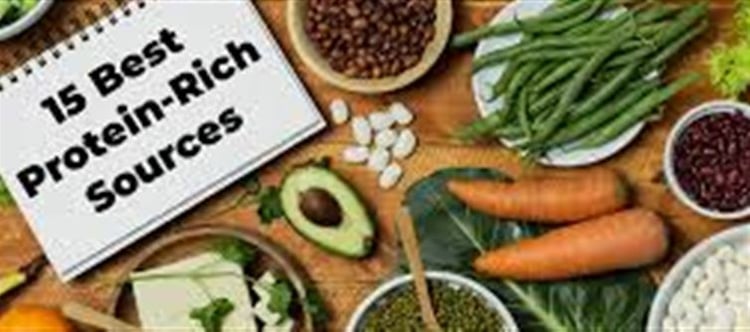

Protein is an essential nutrient that supports muscle growth, repair, immunity, and overall health. While meat, fish, and eggs are traditional protein sources, there are plenty of vegetarian foods that pack a protein punch. Here’s a list of 15 vegetarian foods high in protein, perfect for vegans, vegetarians, or anyone looking to diversify their diet.
1. Lentils (Masoor, Moong, and Toor Dal)
- Protein Content: ~18g per cooked cup
- Lentils are versatile, nutrient-dense legumes. They can be used in soups, stews, salads, and curries.
2. Chickpeas (Chana)
- Protein Content: ~15g per cooked cup
- Chickpeas are excellent for making hummus, salads, or roasted snacks.
3. Quinoa
- Protein Content: ~8g per cooked cup
- A complete protein containing all nine essential amino acids. Great as a base for salads, bowls, or breakfast porridge.
4. Tofu
- Protein Content: ~10g per 100g
- Made from soybeans, tofu is highly versatile — can be grilled, stir-fried, or blended into smoothies.
5. Tempeh
- Protein Content: ~19g per 100g
- Fermented soy product with a nutty flavor. Ideal for stir-fries, sandwiches, and salads.
6. Edamame
- Protein Content: ~17g per cooked cup
- Young soybeans can be boiled, steamed, or added to salads and stir-fries.
7. Greek Yogurt
- Protein Content: ~10g per 100g
- Thick and creamy, Greek yogurt can be eaten with fruits, nuts, or in smoothies.
8. Cottage cheese (Paneer)
- Protein Content: ~14g per 100g
- A staple in indian cuisine; can be grilled, added to curries, or eaten as a snack.
9. Nuts (Almonds, Peanuts, Pistachios)
- Protein Content: ~6-8g per 28g (1 oz)
- Great for snacking, adding to oatmeal, or making nut butter.
10. Seeds (Pumpkin, Chia, Hemp, Flax)
- Protein Content: 5-10g per 28g
- Seeds are nutrient-dense and can be sprinkled on yogurt, salads, or blended into smoothies.
11. Seitan
- Protein Content: ~25g per 100g
- Made from wheat gluten, seitan is high in protein and works well in stir-fries and sandwiches.
12. Black Beans
- Protein Content: ~15g per cooked cup
- Beans are excellent in salads, soups, or veggie burgers.
13. Green Peas
- Protein Content: ~8g per cooked cup
- Can be added to curries, soups, or eaten as a side dish.
14. Spinach
- Protein Content: ~5g per cooked cup
- While not as high as legumes, leafy greens provide protein along with iron and calcium.
15. Oats
- Protein Content: ~6g per 1 cup cooked
- A wholesome breakfast option; can be cooked into porridge, overnight oats, or added to smoothies.
Tips to Boost protein Intake on a Vegetarian Diet:
- Combine legumes with grains (e.g., rice and beans) to get complete protein.
- Include a variety of nuts, seeds, and soy products throughout the day.
- Consider high-protein snacks like roasted chickpeas, edamame, or Greek yogurt.
By incorporating these foods into your daily meals, vegetarians can easily meet their protein requirements while enjoying delicious and nutritious meals.
Disclaimer:
The views and opinions expressed in this article are those of the author and do not necessarily reflect the official policy or position of any agency, organization, employer, or company. All information provided is for general informational purposes only. While every effort has been made to ensure accuracy, we make no representations or warranties of any kind, express or implied, about the completeness, reliability, or suitability of the information contained herein. Readers are advised to verify facts and seek professional advice where necessary. Any reliance placed on such information is strictly at the reader’s own risk.
 click and follow Indiaherald WhatsApp channel