



Introduction
Dandruff is a common scalp condition characterized by flaking skin and sometimes itchiness. While it’s usually not serious, it can be embarrassing and uncomfortable. Understanding the underlying causes can help in managing and preventing dandruff effectively.
What is Dandruff?
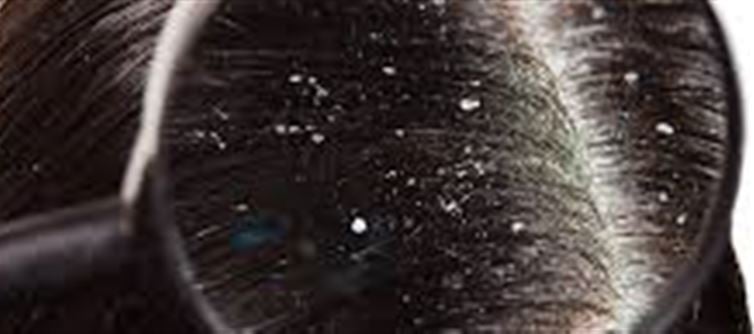
Dandruff occurs when the scalp sheds dead skin cells at a faster rate than normal. This leads to white or yellow flakes that may appear on the scalp, hair, and shoulders. It can affect anyone, but is most common in adults.
Causes of Dandruff
1. Dry Scalp
- Explanation: Lack of moisture can cause the scalp to become dry and flaky.
- Signs: Small, dry flakes and itchiness.
- Common in: Winter or dry climates.
2. Oily Scalp (Seborrheic Dermatitis)
- Explanation: Excess oil production can lead to inflammation and scaling.
- Signs: Yellow or greasy flakes, redness, and itchiness.
- Affected areas: Scalp, eyebrows, sides of the nose, and behind ears.
3. Fungal Infection (Malassezia)
- Explanation: A yeast-like fungus that naturally exists on the scalp can overgrow, leading to dandruff.
- Signs: Greasy flakes, itchiness, sometimes redness.
4. Hair and Scalp Products
- Explanation: Some shampoos, gels, or styling products can irritate the scalp or leave residues.
- Solution: Use mild, hypoallergenic products and rinse thoroughly.
5. Other Factors
- Stress, hormonal changes, poor diet, and infrequent hair washing can also contribute to dandruff.
- Certain skin conditions like psoriasis or eczema may mimic dandruff.
Solutions for Dandruff
1. Medicated Shampoos
- Anti-fungal shampoos: Containing ketoconazole, selenium sulfide, or zinc pyrithione.
- Usage: 2–3 times a week, following instructions carefully.
2. Natural Remedies
- Tea tree oil: Has anti-fungal properties; mix a few drops with shampoo.
- Aloe vera: Soothes irritation and reduces flakes.
- Apple cider vinegar: Helps restore scalp pH and reduce fungal growth (diluted in water before application).
3. Scalp Care Tips
- Wash hair regularly to remove excess oil and dead skin.
- Avoid scratching, as it can worsen irritation.
- Keep scalp moisturized if prone to dryness.
- Maintain a balanced diet rich in vitamins and minerals.
4. lifestyle Changes
- Manage stress through meditation, yoga, or exercise.
- Avoid harsh chemicals or excessive heat styling.
- Drink plenty of water to keep the scalp hydrated.
When to See a Doctor
- Severe itching, redness, or pain
- Thick, yellow, or bloody flakes
- Dandruff that doesn’t improve with home remedies or medicated shampoos
Conclusion
Dandruff is a common but manageable condition. Understanding whether your scalp is dry, oily, or affected by fungal growth helps you choose the right treatment. Consistent hair care, medicated shampoos, and natural remedies can effectively reduce flakes and restore scalp health.
Disclaimer:
The views and opinions expressed in this article are those of the author and do not necessarily reflect the official policy or position of any agency, organization, employer, or company. All information provided is for general informational purposes only. While every effort has been made to ensure accuracy, we make no representations or warranties of any kind, express or implied, about the completeness, reliability, or suitability of the information contained herein. Readers are advised to verify facts and seek professional advice where necessary. Any reliance placed on such information is strictly at the reader’s own risk.
 click and follow Indiaherald WhatsApp channel