


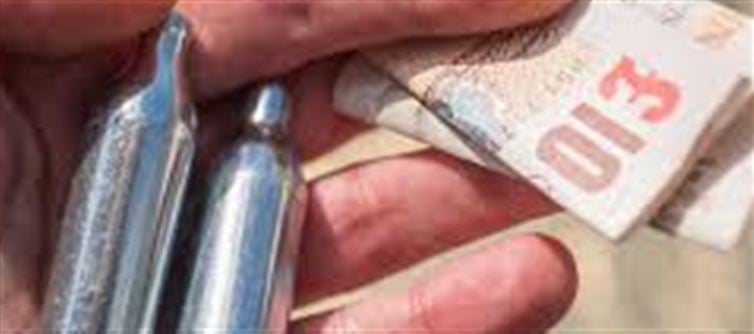

Have you ever wondered which gas makes people laugh during dental procedures or appears in fun science quizzes? The answer is Nitrous Oxide, commonly known as Laughing Gas.
This gas often appears in school exams, competitive tests, and trivia questions because of its unique properties and interesting effects on the human body.
✅ What Is Laughing Gas?
Nitrous Oxide (N₂O)
· A colorless gas
· Has a slightly sweet smell
· Used in medicine for anesthesia and pain relief
When inhaled, it can create a feeling of relaxation, light-headedness, and sometimes uncontrollable laughter — which is why it earned the nickname Laughing Gas.
🧪 Why Does It Make You Laugh?
Nitrous oxide affects the brain by:
· Slowing down responses
· Triggering feel-good chemicals
· Creating mild euphoria
This combination can make people giggle or laugh without any reason.
🦷 Where Is Laughing Gas Used?
You’ll usually find it in:
· Dentist clinics for painless tooth extraction
· Operation theatres as a mild anesthetic
· Laboratories and industrial processes
📚 Why This Question Is Important for Students?
Questions like “Which gas is known as laughing gas?” are popular in:
· school science exams
· General knowledge quizzes
· Competitive exams (SSC, Railways, NDA, NTSE, etc.)
Correct Answer: Nitrous Oxide (N₂O)
🌟 Fun Fact
Nitrous oxide is also used in racing cars to boost engine performance — the same gas that makes people laugh can also make cars go faster!
Disclaimer:
The views and opinions expressed in this article are those of the author and do not necessarily reflect the official policy or position of any agency, organization, employer, or company. All information provided is for general informational purposes only. While every effort has been made to ensure accuracy, we make no representations or warranties of any kind, express or implied, about the completeness, reliability, or suitability of the information contained herein. Readers are advised to verify facts and seek professional advice where necessary. Any reliance placed on such information is strictly at the reader’s own risk.
.jpg)
 click and follow Indiaherald WhatsApp channel