


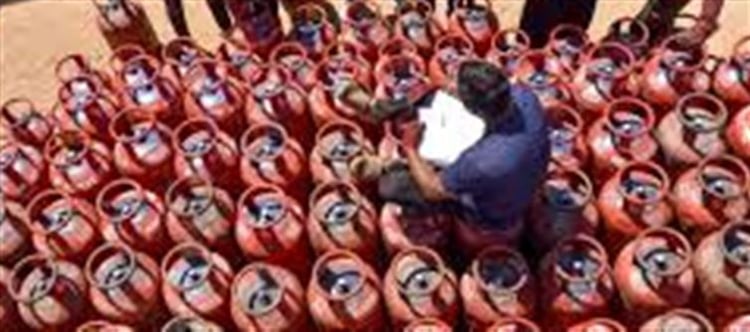

In response to the ongoing cooking gas (LPG) supply challenges in India, the Centre has unveiled new initiatives aimed at expanding piped natural gas (PNG) access across the country. By promoting PNG as a reliable alternative to LPG cylinders, the government hopes to ease the pressure on domestic cooking fuel availability and strengthen energy resilience.
🔥 What’s Driving the Gas Crisis
The cooking gas situation has been affected by global disruptions — particularly tensions in the Middle east that have impacted LPG imports and raised concerns about supply security. india imports a significant portion of its cooking fuel requirements, making it vulnerable to geopolitical risks.
Against this backdrop, authorities are urgently pushing measures to shore up supply chains, stabilise fuel availability, and offer sustainable alternatives to households.
🛠️ Why PNG Is a Key Solution
Piped Natural Gas (PNG) offers several advantages over traditional LPG cylinders:
- Continuous supply without the need for cylinder refills.
- Lower distribution logistics compared with transporting and delivering LPG.
- Cleaner burning fuel, contributing to reduced indoor pollution and environmental benefits.
- Cost efficiency for many users over time.
Given these benefits, the government is accelerating efforts to bring PNG connections to as many households as possible, particularly areas already covered by gas infrastructure.
📈 Major government Initiatives
🏠 Fast‑Tracking PNG Expansion
The Petroleum and Natural Gas Regulatory Board (PNGRB) has urged City Gas Distribution (CGD) companies to deploy additional resources and expand their outreach efforts. The goal is to provide PNG connections quickly where pipeline networks already exist.
According to official estimates, around 60 lakh households are located near existing PNG networks but have not yet switched from LPG to PNG — presenting a near‑term opportunity for conversion.
💡 Incentives to Encourage Adoption
To accelerate this transition, the government is also offering extra incentives — such as additional commercial LPG allocations for states and Union Territories that actively promote PNG adoption and expand distribution infrastructure.
These incentives aim to create a collaborative federal approach, where local governments play an active role in pushing PNG outreach while also benefiting from LPG supply support.
📋 Policy Changes on LPG Connections
In a significant policy shift, the Union Ministry of Petroleum and Natural Gas has directed that households with an existing PNG connection can no longer retain or refill their LPG cylinders. This move is designed to prevent redundancy in domestic energy provisioning and prioritise PNG utilisation.
The government’s rationale is that households with piped gas access should transition fully to PNG as their primary cooking fuel, which helps rationalise LPG demand.
📊 Current Status of PNG in India
Although india has made substantial progress in building City Gas Distribution networks, adoption levels still lag behind potential coverage. For instance, in some states network infrastructure exists, but consumer uptake of PNG remains relatively low due to lack of awareness or consumer hesitation.
The government’s new measures intend to close this gap by simplifying access procedures, increasing promotional efforts, and strengthening on‑ground support.
🧩 What This Means for Households
For millions of households, the push toward PNG could mean:
- More reliable cooking gas access without dependency on cylinder deliveries.
- Potential savings over time compared to recurring LPG refill costs.
- A cleaner energy option for kitchen use, contributing to better indoor air quality.
At the same time, the government’s strategy recognises the need to carefully manage the transition so that it doesn’t disrupt household energy access during the shift.
⚖️ Balancing Energy Security and Supply
While PNG expansion moves ahead, the government has also taken additional steps to ensure LPG supply stability, such as offering extra allocations to supporting states and monitoring global supply routes.
These efforts reflect a dual strategy — bolster PNG as a long‑term alternative, and maintain adequate LPG supplies during the interim period of global energy volatility.
🛡️ Looking Ahead
With the government’s renewed focus on PNG and policy incentives to promote its adoption, the energy landscape in india is poised for change. If implemented effectively, these steps could reduce dependence on imported LPG, enhance energy security, and provide more households with cost‑effective, uninterrupted cooking gas access in the months and years ahead.
Disclaimer:
The views and opinions expressed in this article are those of the author and do not necessarily reflect the official policy or position of any agency, organization, employer, or company. All information provided is for general informational purposes only. While every effort has been made to ensure accuracy, we make no representations or warranties of any kind, express or implied, about the completeness, reliability, or suitability of the information contained herein. Readers are advised to verify facts and seek professional advice where necessary. Any reliance placed on such information is strictly at the reader’s own risk.
 click and follow Indiaherald WhatsApp channel