


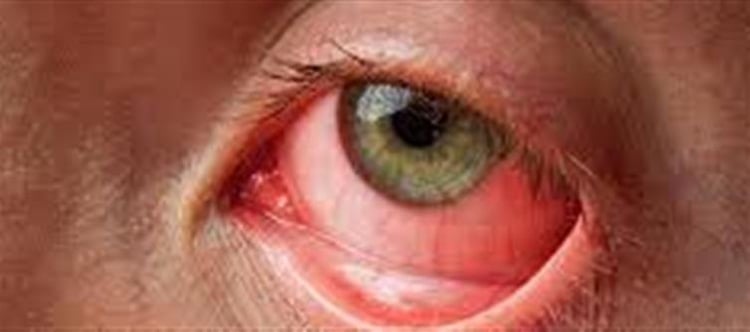

Pink eye, or conjunctivitis, is an inflammation of the conjunctiva—the thin, transparent layer covering the white part of the eye and the inner eyelids. It can be caused by viruses, bacteria, allergens, or irritants. Recognizing its signs early can help you get the right treatment and prevent spreading it to others.
1. Redness in the Eye
· The most obvious sign is a pink or red hue in the white part of the eye.
· Blood vessels in the conjunctiva become more visible due to inflammation.
· Redness may be mild or intense, affecting one or both eyes depending on the cause.
2. Discharge from the Eye
· Bacterial conjunctivitis: Thick, yellow or green discharge that may crust over eyelids, especially in the morning.
· Viral conjunctivitis: Watery or clear discharge, often accompanied by tearing.
· Allergic conjunctivitis: Clear, watery discharge with itching.
3. Itching or Burning Sensation
· Allergic and viral conjunctivitis often cause itchiness, while bacterial infections may feel more irritated or gritty.
· Burning or a sensation of sand in the eye is common.
4. Swollen Eyelids
· Inflammation may cause the eyelids to puff up slightly, especially in allergic reactions or bacterial infections.
5. Tearing or Watering
· Increased tear production is common in viral or allergic conjunctivitis.
· Helps flush out irritants or infectious agents.
6. Sensitivity to Light (Photophobia)
· Some people experience mild discomfort in bright light due to irritation of the conjunctiva.
7. Other Associated Symptoms
· Viral conjunctivitis may be accompanied by cold-like symptoms (runny nose, sore throat).
· Allergic conjunctivitis often occurs with sneezing and nasal congestion.
· Bacterial conjunctivitis may produce crusting and stickiness around the eyes.
When to See a Doctor
Seek medical attention if you experience:
· Severe pain or vision changes
· Thick yellow/green discharge that worsens
· Symptoms lasting more than a few days
· Recurring pink eye episodes
Bottom Line:
Pink eye typically presents with redness, discharge, itching, tearing, and sometimes swollen eyelids. The type of discharge, presence of itching, and associated symptoms can help indicate whether it’s viral, bacterial, or allergic. Early identification is key to proper treatment and preventing its spread.
Disclaimer:
The views and opinions expressed in this article are those of the author and do not necessarily reflect the official policy or position of any agency, organization, employer, or company. All information provided is for general informational purposes only. While every effort has been made to ensure accuracy, we make no representations or warranties of any kind, express or implied, about the completeness, reliability, or suitability of the information contained herein. Readers are advised to verify facts and seek professional advice where necessary. Any reliance placed on such information is strictly at the reader’s own risk.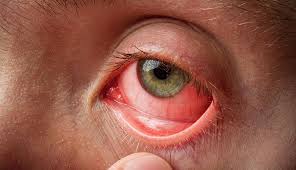
 click and follow Indiaherald WhatsApp channel