




Maintaining good vision isn’t just about regular eye exams—it’s also about what you eat. Certain foods provide vitamins, minerals, and antioxidants that protect your eyes, prevent age-related damage, and support overall eye health. Here are the top 7 foods you should include in your diet.
1. Carrots
· Why they’re good: Rich in beta-carotene, which the body converts to vitamin A, essential for night vision and preventing dry eyes.
· Tip: Cooked carrots with a drizzle of olive oil improve beta-carotene absorption.
2. Leafy Greens (Spinach, Kale, Collard Greens)
· Why they’re good: Packed with lutein and zeaxanthin, antioxidants that accumulate in the retina and protect against age-related macular degeneration (AMD) and cataracts.
· Tip: Steam lightly to retain nutrients while making them easier to digest.
3. Eggs
· Why they’re good: Contain lutein, zeaxanthin, and zinc, which help maintain retinal health and prevent macular degeneration.
· Tip: The yolk is the nutrient-rich part, so include it in your diet.
4. Fatty fish (Salmon, Mackerel, Sardines)
· Why they’re good: High in omega-3 fatty acids, which support retinal health and reduce the risk of dry eye syndrome.
· Tip: Aim for 2 servings per week for optimal benefits.
5. Citrus fruits (Oranges, Grapefruits, Lemons)
· Why they’re good: Loaded with vitamin C, an antioxidant that strengthens blood vessels in the eyes and may reduce the risk of cataracts and AMD.
· Tip: Combine with other colorful fruits for a nutrient-packed eye boost.
6. Nuts and Seeds (Almonds, Walnuts, Sunflower Seeds)
· Why they’re good: Provide vitamin E, which protects eye cells from oxidative stress, and omega-3s for retinal health.
· Tip: A small handful daily is enough to reap benefits.
7. Sweet Potatoes
· Why they’re good: Another excellent source of beta-carotene, supporting healthy corneas and night vision.
· Tip: Roast or steam sweet potatoes to preserve nutrients and flavor.
Bonus Tips for Eye-Healthy Eating
· Include a variety of colorful fruits and vegetables daily.
· Maintain adequate hydration to prevent dry eyes.
· Limit excessive sugar and processed foods, which may contribute to eye disease over time.
Bottom Line
A diet rich in colorful vegetables, fruits, fatty fish, eggs, nuts, and seeds provides the essential vitamins, minerals, and antioxidants your eyes need. Pairing these foods with healthy fats improves nutrient absorption and helps maintain long-term eye health and clear vision.
Disclaimer:
The views and opinions expressed in this article are those of the author and do not necessarily reflect the official policy or position of any agency, organization, employer, or company. All information provided is for general informational purposes only. While every effort has been made to ensure accuracy, we make no representations or warranties of any kind, express or implied, about the completeness, reliability, or suitability of the information contained herein. Readers are advised to verify facts and seek professional advice where necessary. Any reliance placed on such information is strictly at the reader’s own risk.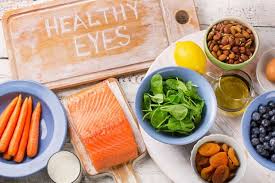
 click and follow Indiaherald WhatsApp channel