
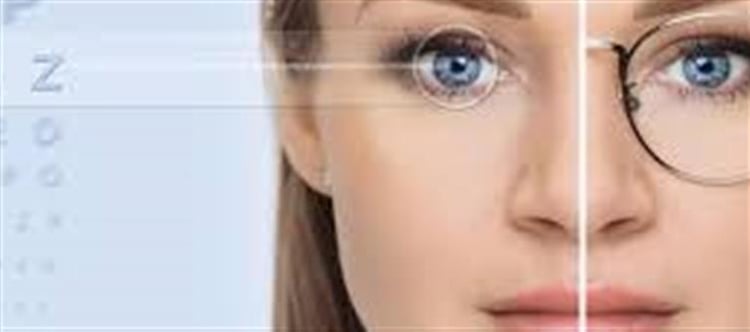


Choosing the right vision correction depends on your eye condition, lifestyle, and personal preferences. With options ranging from glasses to surgical procedures, understanding the benefits and limitations of each can help you make an informed decision.
1. Eyeglasses
Best for: Mild to moderate refractive errors (nearsightedness, farsightedness, astigmatism)
· Pros:
o Non-invasive and easy to use.
o Can be updated as vision changes.
o Wide range of styles, including lenses with anti-reflective or blue-light coatings.
· Cons:
o Can fog up or get wet in certain conditions.
o May be inconvenient during sports or physical activities.
Tips:
· Get lenses with UV protection and consider photochromic lenses for outdoors.
2. Contact Lenses
Best for: Active lifestyles, cosmetic reasons, or specific eye conditions
· Pros:
o Provide a wider field of vision than glasses.
o Suitable for sports and outdoor activities.
o Can correct most refractive errors, including astigmatism (toric lenses) and presbyopia (multifocal lenses).
· Cons:
o Require careful hygiene to prevent eye infections.
o May cause dryness or irritation in some users.
o Daily or monthly replacements can be costly.
Tips:
· Follow cleaning and replacement schedules strictly.
· Consider daily disposable lenses if prone to irritation or allergies.
3. Refractive Surgery (LASIK, PRK, SMILE)
Best for: people with stable vision who want long-term correction
· Pros:
o Can significantly reduce or eliminate dependence on glasses or contacts.
o Quick recovery and minimal discomfort with modern techniques.
· Cons:
o Not suitable for everyone (e.g., those with thin corneas or certain eye diseases).
o Risk of dry eyes, glare, or halos after surgery.
o Costly and generally not covered by insurance.
Tips:
· Consult a reputable ophthalmologist for a thorough eye exam.
· Ensure vision has been stable for at least 1 year before surgery.
4. Orthokeratology (Ortho-K)
Best for: Children or adults wanting temporary correction without surgery
· Pros:
o Special contact lenses worn overnight reshape the cornea.
o Provides clear vision during the day without glasses or contacts.
· Cons:
o Temporary effect; lenses must be worn nightly.
o Risk of infection if hygiene is not maintained.
5. Intraocular Lenses (IOLs) or Lens Implants
Best for: Cataract patients or people with high refractive errors
· Pros:
o Can correct vision permanently during cataract surgery.
o Multifocal or toric IOLs can reduce the need for glasses.
· Cons:
o Surgical procedure with risks like infection or retinal complications.
o Not reversible without another surgery.
6. lifestyle and Habit Considerations
When choosing vision correction, consider:
· Work environment: Long hours on screens may benefit from anti-glare lenses.
· Sports and activities: Contacts or corrective surgery may be more convenient.
· Budget: Glasses are cost-effective long-term; surgery is higher upfront.
· Age: Some options may be limited by age or eye development.
Bottom Line
There is no one-size-fits-all solution for vision correction. Glasses, contacts, surgical procedures, and specialized lenses each have unique advantages and drawbacks. Choosing the right option depends on your eye condition, lifestyle needs, and personal comfort. A consultation with an ophthalmologist or optometrist can help you find the most suitable approach for clear, comfortable, and healthy vision.
Disclaimer:
The views and opinions expressed in this article are those of the author and do not necessarily reflect the official policy or position of any agency, organization, employer, or company. All information provided is for general informational purposes only. While every effort has been made to ensure accuracy, we make no representations or warranties of any kind, express or implied, about the completeness, reliability, or suitability of the information contained herein. Readers are advised to verify facts and seek professional advice where necessary. Any reliance placed on such information is strictly at the reader’s own risk.
 click and follow Indiaherald WhatsApp channel