


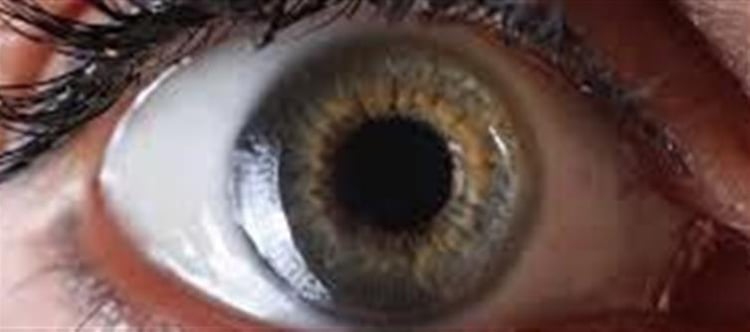

A detached retina is a serious eye emergency where the thin layer of tissue at the back of the eye (the retina) pulls away from its normal position. This separation can cause permanent vision loss if not treated promptly. Understanding the urgency and treatment options can make the difference between saving or losing vision.
1. Why a Detached Retina Is an Emergency
· The retina is responsible for converting light into visual signals that the brain interprets as images.
· When it detaches, retinal cells are deprived of blood supply and nutrients, causing rapid deterioration of vision.
· Early intervention is crucial: the longer the retina stays detached, the higher the risk of permanent vision loss.
2. How Quickly You Need Treatment
· Immediate medical attention is required.
· Ideal window: Surgery is most effective if performed within 24–72 hours of symptom onset.
· Delays beyond 3 days can increase the risk of permanent vision impairment, especially if the macula (central part of the retina) detaches.
· Partial detachment: Even small or peripheral detachments can worsen quickly if untreated.
3. Symptoms That Require Urgent Attention
Seek immediate care if you notice:
· Sudden flashes of light in one eye
· New floaters (tiny spots or threads in your vision)
· A shadow or curtain over part of your vision
· Blurred or distorted vision
· Sudden loss of peripheral vision
Even if only one symptom appears, it warrants urgent evaluation by an ophthalmologist.
4. Treatment Options
Laser Surgery (Photocoagulation)
· Used for small tears or holes before the retina fully detaches.
· A laser seals the retina to prevent further separation.
Cryopexy (Freezing Therapy)
· Freezes the area around a retinal tear to create scar tissue that secures the retina.
Pneumatic Retinopexy
· A gas bubble is injected into the eye to push the retina back in place.
· Often combined with laser or cryopexy.
Scleral Buckling
· A silicone band is placed around the eye to push the wall of the eye against the detached retina.
Vitrectomy
· Surgical removal of the vitreous gel pulling on the retina, followed by reattachment of the retina.
The type of treatment depends on the size, location, and severity of the detachment.
5. Recovery and Prognosis
· Vision recovery depends on how quickly treatment was initiated and whether the macula was involved.
· Even after successful surgery, some distortion, blurred vision, or reduced night vision may persist.
· Follow-up care is crucial to monitor for complications like re-detachment or infection.
Bottom Line
A detached retina is a true eye emergency. Immediate attention—ideally within 24 hours—is critical to preserving vision. Any delay can lead to permanent and irreversible vision loss, especially if the macula is affected. Early recognition of symptoms and prompt treatment are the keys to saving your eyesight.
Disclaimer:
The views and opinions expressed in this article are those of the author and do not necessarily reflect the official policy or position of any agency, organization, employer, or company. All information provided is for general informational purposes only. While every effort has been made to ensure accuracy, we make no representations or warranties of any kind, express or implied, about the completeness, reliability, or suitability of the information contained herein. Readers are advised to verify facts and seek professional advice where necessary. Any reliance placed on such information is strictly at the reader’s own risk..jpg)
 click and follow Indiaherald WhatsApp channel