



With rising pollution levels in cities like Delhi-NCR, air purifiers have become a common household appliance. They promise cleaner, healthier air, but there are situations where even the most advanced purifier can struggle or fail to perform effectively.
When air Purifiers May Fail
Extremely High pollution Levels
During severe smog or heavy dust storms, particulate matter (PM2.5 and PM10) may exceed the purifier’s capacity, reducing efficiency.
Improper Maintenance
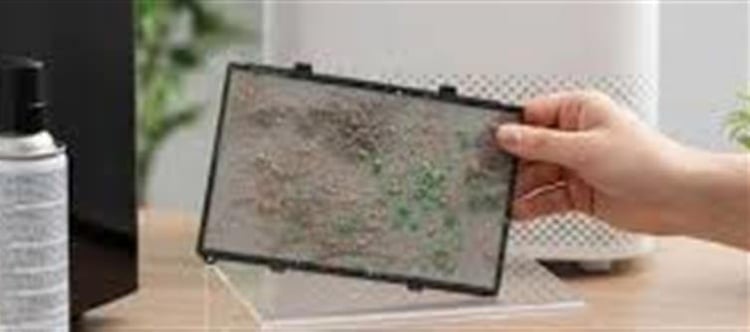
Clogged or dirty filters prevent proper airflow, making the purifier less effective or even non-functional.
Most filters need regular cleaning or replacement to work correctly.
Wrong Room Size
Air purifiers are rated for specific room areas. Using a small purifier in a large, polluted room will not sufficiently clean the air.
High Humidity or Smoke
Smoke from cooking, candles, or pollution, combined with humidity, can overwhelm some devices.
Continuous Exposure Without Ventilation
If a room is sealed tightly with continuous pollution influx, the purifier may not keep up without ventilation or air exchange.
How to Ensure Optimal Performance
Regular Filter Maintenance
Check and replace HEPA, carbon, or pre-filters as per manufacturer guidelines.
Choose the Right Size.jpg)
Match the purifier’s capacity (CADR rating) to your room size.
Use Alongside Ventilation
Even with purifiers, air exchange with fresh outdoor air improves indoor air quality.
Monitor air Quality
Use devices or apps to track indoor air pollution and adjust purifier settings accordingly.
Avoid Overuse in Extreme Conditions
During severe pollution episodes, supplement with masks and ventilation strategies.
Key Takeaway
Air purifiers are highly effective under normal conditions, but extremely dirty or polluted air, poor maintenance, and incorrect usage can cause them to underperform. Regular maintenance, proper placement, and monitoring air quality are essential to ensure your purifier truly keeps the air safe and breathable.
Disclaimer:
The views and opinions expressed in this article are those of the author and do not necessarily reflect the official policy or position of any agency, organization, employer, or company. All information provided is for general informational purposes only. While every effort has been made to ensure accuracy, we make no representations or warranties of any kind, express or implied, about the completeness, reliability, or suitability of the information contained herein. Readers are advised to verify facts and seek professional advice where necessary. Any reliance placed on such information is strictly at the reader’s own risk.
 click and follow Indiaherald WhatsApp channel