


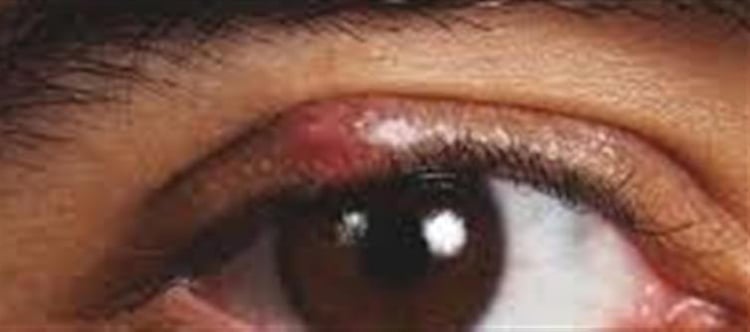

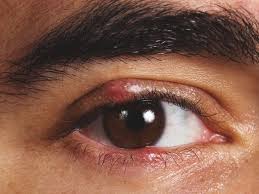
A stye (hordeolum) is a red, painful bump that forms on the edge of the eyelid, usually caused by a bacterial infection of an eyelash follicle or oil gland. While styes are primarily caused by bacteria, stress can play an indirect but significant role in their occurrence.
1. How Stress Affects the Immune System
· Chronic stress triggers the release of cortisol, the stress hormone.
· High cortisol levels can suppress the immune system, making it harder for your body to fight off infections.
· A weakened immune system allows bacteria (like Staphylococcus aureus, commonly linked to styes) to multiply more easily.
2. Stress and Eye Hygiene Habits
· Stress often leads to fatigue and reduced self-care.
· people may rub their eyes more frequently, skip proper cleansing, or neglect contact lens hygiene—all of which increase the risk of styes.
3. Stress-Related Skin and oil Gland Changes
· Stress can increase oil production in glands, including those in the eyelids.
· Excess oil can block eyelid glands, creating a breeding ground for bacteria that cause styes.
4. Emotional Triggers and Recurrence
· people under chronic stress are sometimes more prone to recurrent styes, possibly due to repeated immune suppression or changes in eyelid oil gland function.
5. Other Contributing Factors
While stress can contribute, other common causes of styes include:
· Poor eyelid hygiene
· makeup contamination
· Blepharitis (chronic eyelid inflammation)
· Contact lens use
Tips to Prevent Stress-Related Styes
1. Manage Stress: Practice meditation, yoga, or deep breathing exercises.
2. Maintain Eyelid Hygiene: Clean eyelids gently, especially if prone to styes.
3. Avoid Touching Eyes: Reduce eye rubbing to prevent bacterial transfer.
4. Get Enough Sleep: Proper rest supports immune function and eye health.
Bottom Line:
While stress does not directly cause styes, it can weaken the immune system, affect oil gland function, and encourage habits that increase risk, making styes more likely to appear. Managing stress and maintaining good eyelid hygiene are key steps to prevent them.
Disclaimer:
The views and opinions expressed in this article are those of the author and do not necessarily reflect the official policy or position of any agency, organization, employer, or company. All information provided is for general informational purposes only. While every effort has been made to ensure accuracy, we make no representations or warranties of any kind, express or implied, about the completeness, reliability, or suitability of the information contained herein. Readers are advised to verify facts and seek professional advice where necessary. Any reliance placed on such information is strictly at the reader’s own risk.
 click and follow Indiaherald WhatsApp channel