


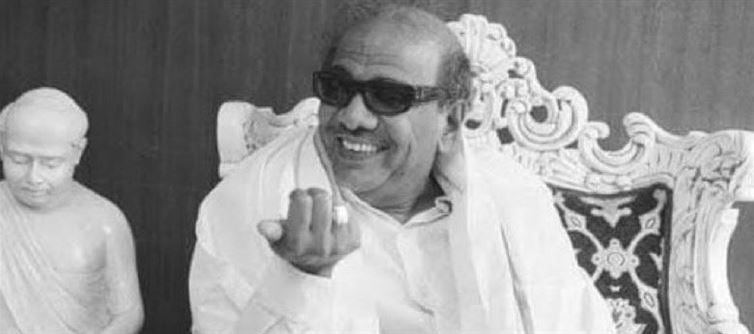

tamil Nadu’s political landscape has always been loud. But the judicial landscape? That changed quietly — and drastically. Behind the noise of elections, welfare schemes, and party battles, one silent shift took place: the ideological reshaping of the judiciary during 10 years of AIADMK rule.
And the consequences of that invisible decade?
They’re erupting today — in courtrooms, in orders, and in the political tension now gripping the state.
Here’s the breakdown of how it happened, why it matters, and what the contrast with Kalaignar’s era reveals.
1. AIADMK’s 10-Year Window Became a Gateway for Sangh-Aligned Appointments
During the decade-long AIADMK rule, a quiet but steady pattern emerged: an influx of judges with Sangh backgrounds entering the higher judiciary.
The government accepted Collegium recommendations with minimal resistance — a sharp contrast to the proactive scrutiny seen under previous DMK governments.
This wasn’t loud. This wasn’t public.
But it reshaped the bench more than any visible political change could.
2. AIADMK Followed a “Rubber Stamp” Policy — And It Changed the dna of the Bench
Instead of negotiating, questioning, or filtering ideological extremes, the AIADMK administration approved Collegium suggestions as-is.
Result?
A decade of appointments subtly tilted toward individuals aligned with one particular ideological ecosystem.
This created a long-term pipeline whose effects are visible today, long after the government itself is gone.
3. Kalaignar’s Model Was Opposite: Strict, Disciplined, Zero-Tolerance Screening
Under Kalaignar, the process was crystal clear:
No ideological imbalance
No silent stacking of the bench
No indirect backdoor influence
Only one RSS-linked individual became a judge in his tenure, with a mandatory condition of transfer.
And the government ensured the transfer happened.
Kalaignar’s message was unmistakable:
Judiciary cannot be allowed to drift into ideological capture — not even by one person.
4. In Kalaignar’s Term: Diversity, Not Dominance, Was the Rule
Among the 45 judges appointed during his period:
Only one was a Brahmin
And even he was sympathetic to DMK, not ideologically aligned against the government or the state’s social justice politics
This wasn’t about exclusion.
It was about ensuring the judiciary reflected the social fabric of tamil Nadu — not a narrow ideological pipeline.
5. Today’s Reality Is the Complete Opposite — And It Shows in court Orders
The current environment is the direct outcome of that decade-long ideological shift:
More judges with Sangh affiliations
More ideological friction
More courtroom activism that triggers political reaction
More orders that challenge the state’s social justice foundation
The bench today looks different because the appointments from 2011 to 2021 were different.
6. tamil Nadu Is Now Living Through the “Delayed Aftershock” of AIADMK’s Tenure
Judicial appointments are slow-burning decisions.
They don’t explode immediately.
They simmer and then reshape the system from within.
The “aftershock” we see now — controversial rulings, ideological sensitivity, and increased confrontation — is not an accident.
It’s a decade-old design coming alive.
7. The Political Question Now Is Bigger Than Any Single Case
tamil Nadu isn’t just debating one order or one judge.
It’s confronting a deeper issue:
How much should governments influence who becomes a judge — and what happens when they don’t pay attention?
Kalaignar treated judiciary appointments as a matter of state identity.
AIADMK treated them as administrative formalities.
The difference is playing out today.
FINAL NOTE — THE CORE TRUTH
tamil Nadu's judiciary didn’t shift overnight.
It shifted during 10 quiet years when AIADMK embraced passive acceptance instead of proactive scrutiny, allowing a stream of Sangh-linked individuals to enter a system built on social justice values.
Kalaignar recognised the long-term impact of even a single appointment.
AIADMK overlooked the impact on many.
And today, the state is witnessing the consequences, one courtroom flashpoint at a time.
 click and follow Indiaherald WhatsApp channel